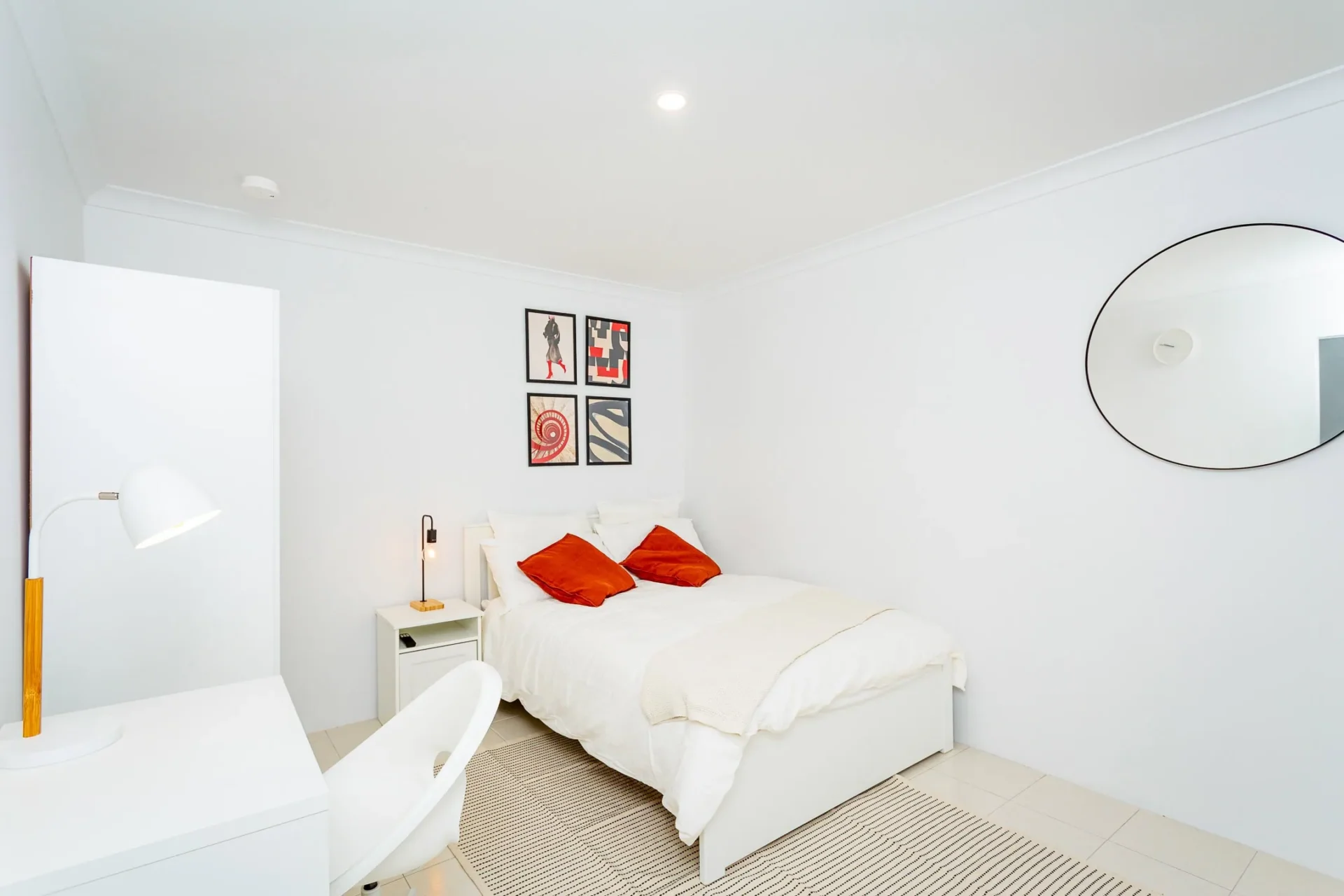
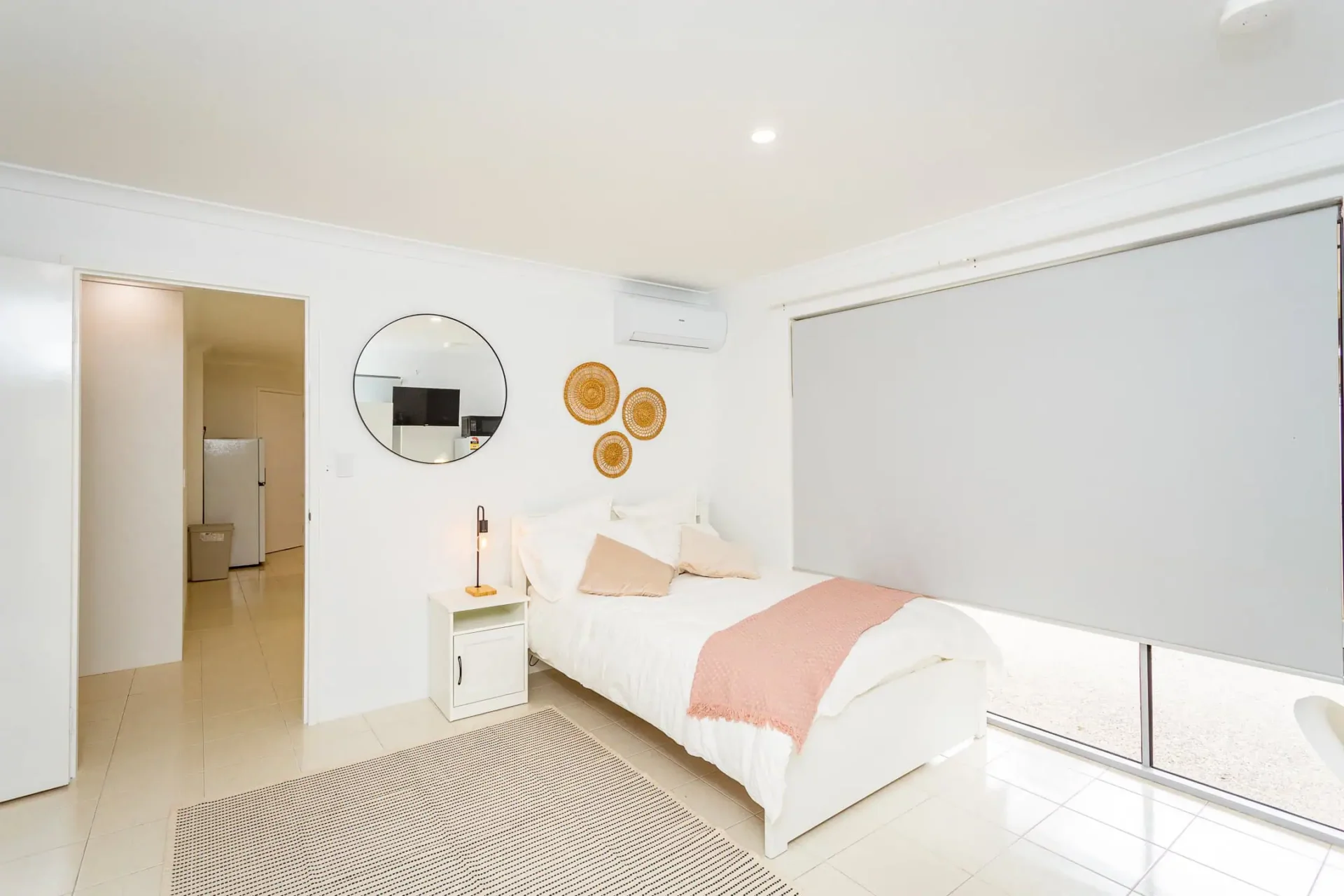
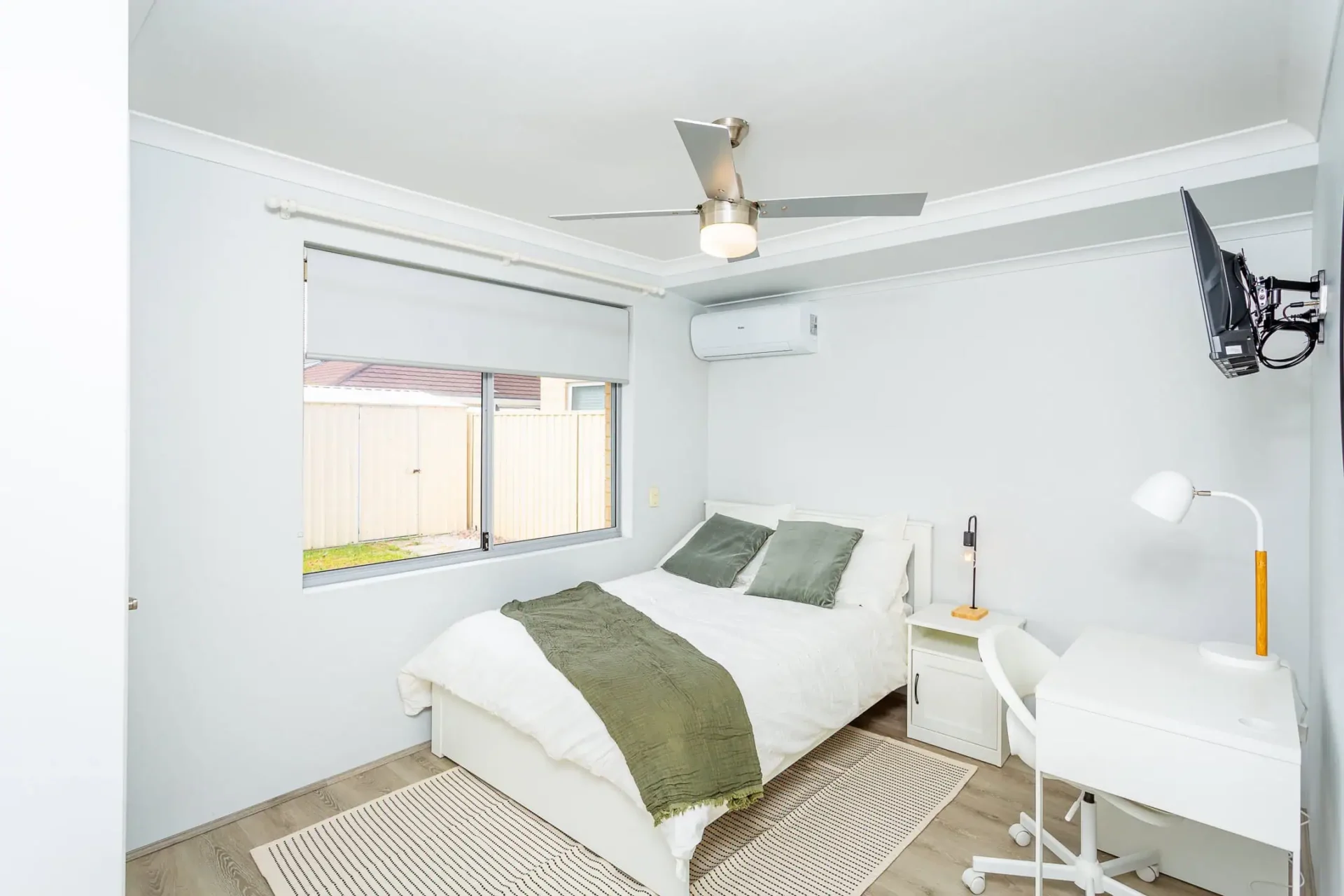
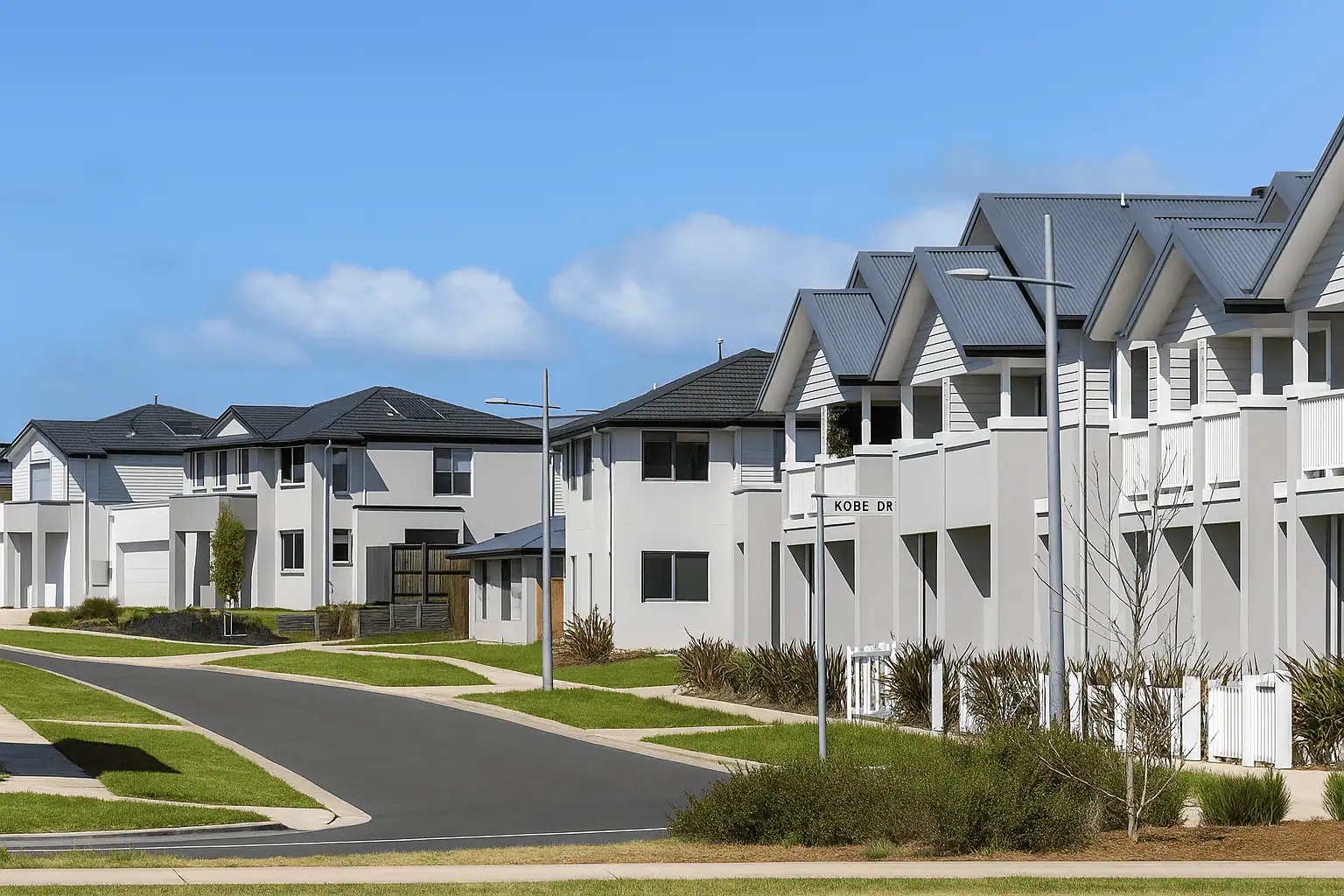
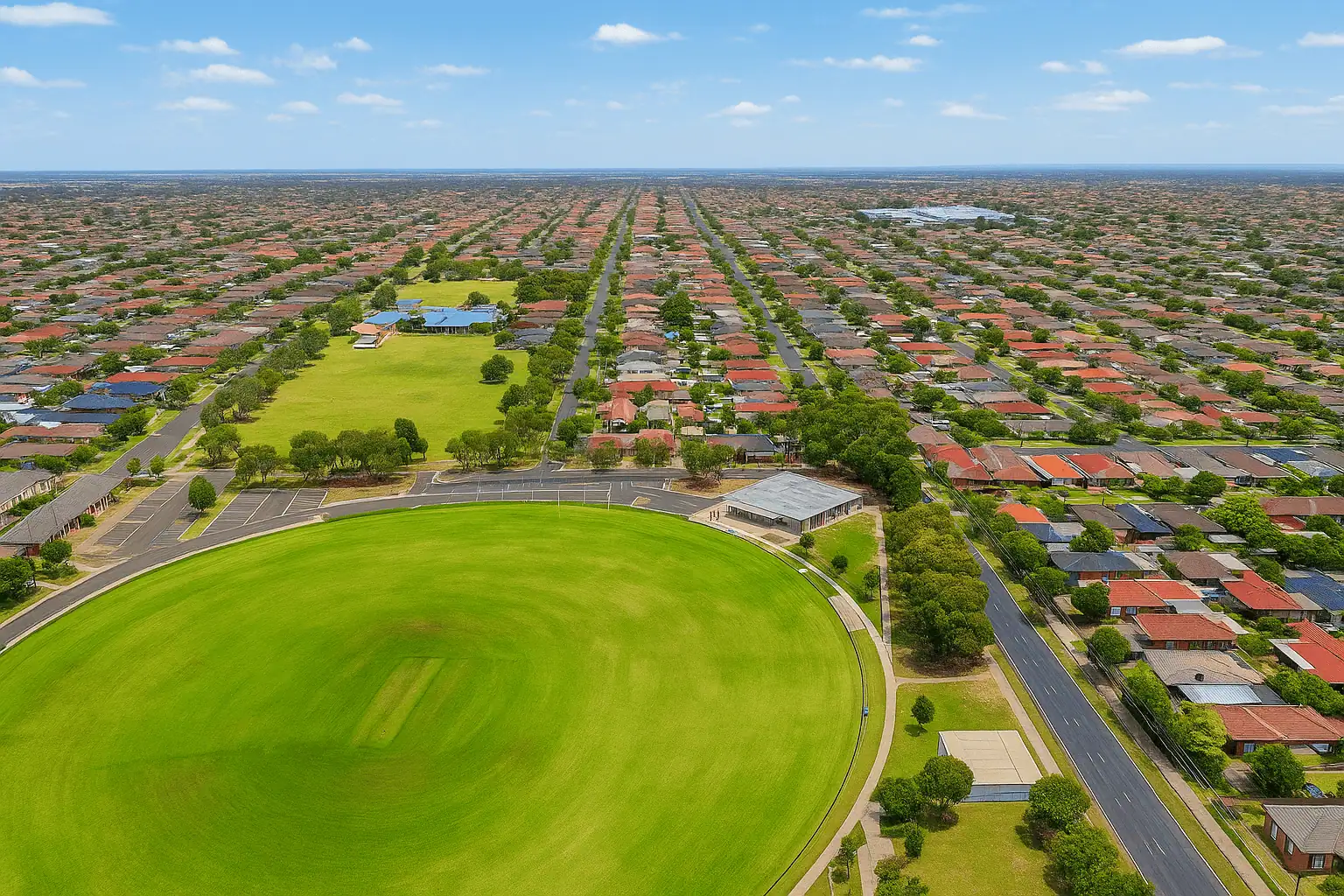
Beyond North West Melbourne itself, several surrounding corridors are emerging as attractive options for co-living investors. These areas benefit from population growth spill-over, improving transport links and employment access, while still offering housing stock that can be adapted for compliant, high-occupancy co-living models.
Broadmeadows & Dallas (Hume)
Located just south-east of the core North West growth corridor, Broadmeadows and Dallas benefit from strong rail access, major retail hubs and proximity to industrial and logistics employment. Demand is supported by essential workers, shift-based employees and long-term renters seeking affordability close to transport.
What to look for: Solid brick homes with 4+ bedrooms, multiple living areas, and scope to add an extra bathroom or ensuite. Proximity to Broadmeadows Station and shopping precincts is a key advantage.
Watch-outs: Review parking capacity carefully and confirm planning overlays, particularly near activity centres and transport corridors.
Glenroy & Hadfield
These established northern suburbs offer strong commuter appeal with direct rail links to the CBD and established local amenities. Housing stock often includes larger floorplans compared to inner-north suburbs, making them practical for co-living conversions when configured correctly.
What to look for: Freestanding homes with 2 living zones, workable layouts for privacy separation and driveways that can accommodate multiple vehicles.
Watch-outs: Some streets have higher density or townhouse development—confirm minimum room sizes, parking rules and any neighbourhood character overlays.
Keilor Downs & St Albans (Brimbank)
These suburbs sit between North West Melbourne and established inner-west employment zones. Strong bus networks, access to Sunshine Hospital and nearby industrial precincts underpin steady rental demand across diverse tenant profiles.
What to look for: 4–5 bedroom homes with at least two bathrooms, clear separation between shared and private spaces and quiet residential streets close to transport.
Watch-outs: Check flood overlays in low-lying pockets and ensure waste and parking arrangements suit multi-tenant living.
Tullamarine & Airport West
Proximity to Melbourne Airport, major arterials and employment zones creates consistent demand from aviation, logistics and services workers. While entry prices can be higher, room-by-room pricing can support strong gross income when properties are well-designed.
What to look for: Larger family homes with multiple bathrooms, good sound separation and easy access to freeways and bus routes.
Watch-outs: Aircraft noise varies by street—assess tenant suitability carefully and prioritise properties with solid construction and acoustic insulation.
Greenvale & Roxburgh Park
These outer-north suburbs attract families and professionals priced out of inner areas, while still benefiting from access to North West employment corridors. Newer housing stock can reduce upfront conversion costs and accelerate lease-up.
What to look for: Modern builds with 2+ bathrooms, double garages and flexible living areas that can be adapted for shared living.
Watch-outs: Estate design guidelines and covenants may restrict alterations—always review before committing.
Tip for all surrounding areas:
Before proceeding, verify Victorian co-living requirements around room sizes, ventilation, egress, fire safety, parking and waste management. Prioritise floorplans that naturally separate private rooms from shared living zones to support stable households, lower turnover and stronger long-term returns.