- Altona Meadows & Seabrook (Hobsons Bay)
Established, commuter-friendly pockets with quick freeway and rail access. Housing is typically well-built with good yard space, allowing practical upgrades (extra bathrooms, storage, outdoor zones for sharers). The renter base skews to essential workers and professionals who value connectivity and reasonable rents.
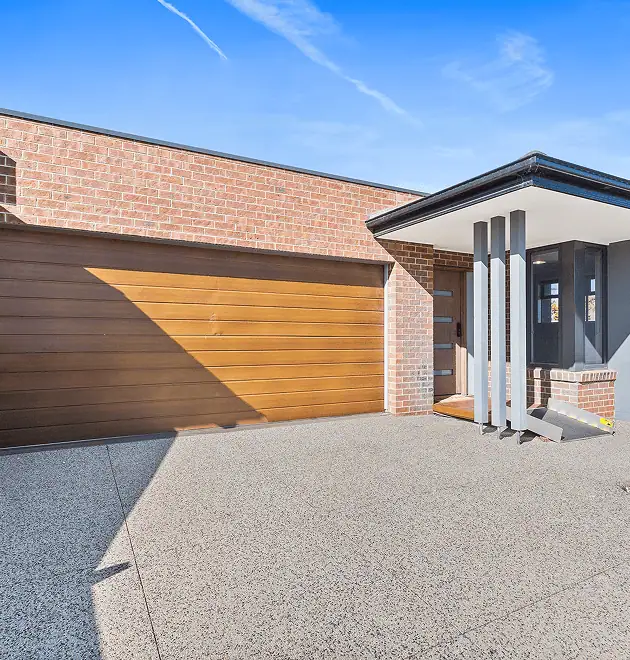
What to look for: Solid homes with wide driveways/garages, comfortable bedroom sizes and simple plumbing runs for ensuite additions.
Watch-outs: Check aircraft/road noise corridors street-by-street; validate any flood/overlay constraints before committing to a conversion.
Close to major logistics and industrial hubs, these suburbs draw shift-based workers and trades, creating a resilient tenancy pipeline. Freestanding homes on manageable blocks keep maintenance under control and make co-living standards easier to meet. Good bus/train options round out the appeal for car-light tenants.
What to look for: Durable finishes, low-maintenance yards, 4+ bedrooms with capacity for locks and storage for tools/gear.
Watch-outs: Avoid heavy-traffic arterials and streets with limited parking; verify safety/lighting and fence conditions for after-hours workers.
- Derrimut & Caroline Springs (Brimbank/Melton)
Derrimut benefits from proximity to business parks and distribution centres; Caroline Springs offers a town-centre lifestyle with lakes, retail and services. Housing skews newer, which can reduce immediate capex and speed time-to-market. With the right layout, room-by-room pricing can outperform single-tenancy rents while staying competitive for tenants.
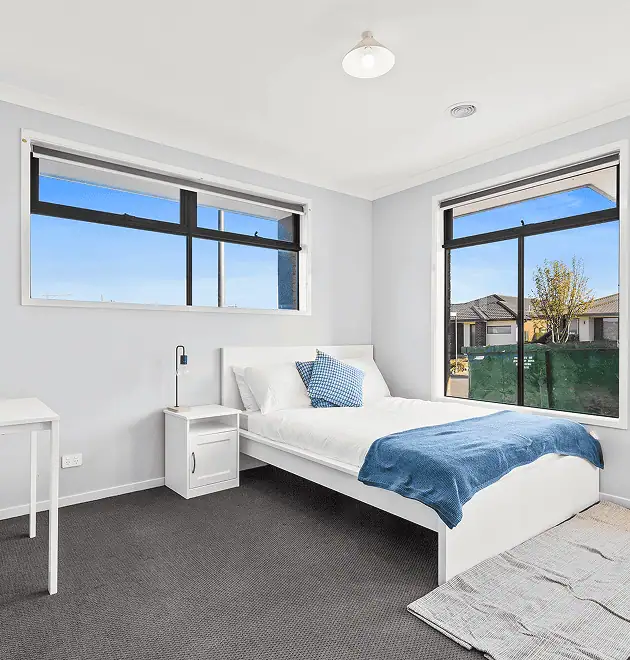
What to look for: Modern builds with multiple bathrooms, a second living area for noise separation and straightforward conversion to key-locked rooms.
Watch-outs: Some newer pockets have tighter lots and stricter parking rules. Confirm capacity for multi-tenant vehicles; check any estate design guidelines.
- Rockbank & Melton South (Melton)
Rapid growth corridors with improving transport and retail. Entry prices are generally more accessible, enabling higher yield potential if you select near rail or established centres. Newer estates can provide standardised layouts that are easier to configure for co-living.
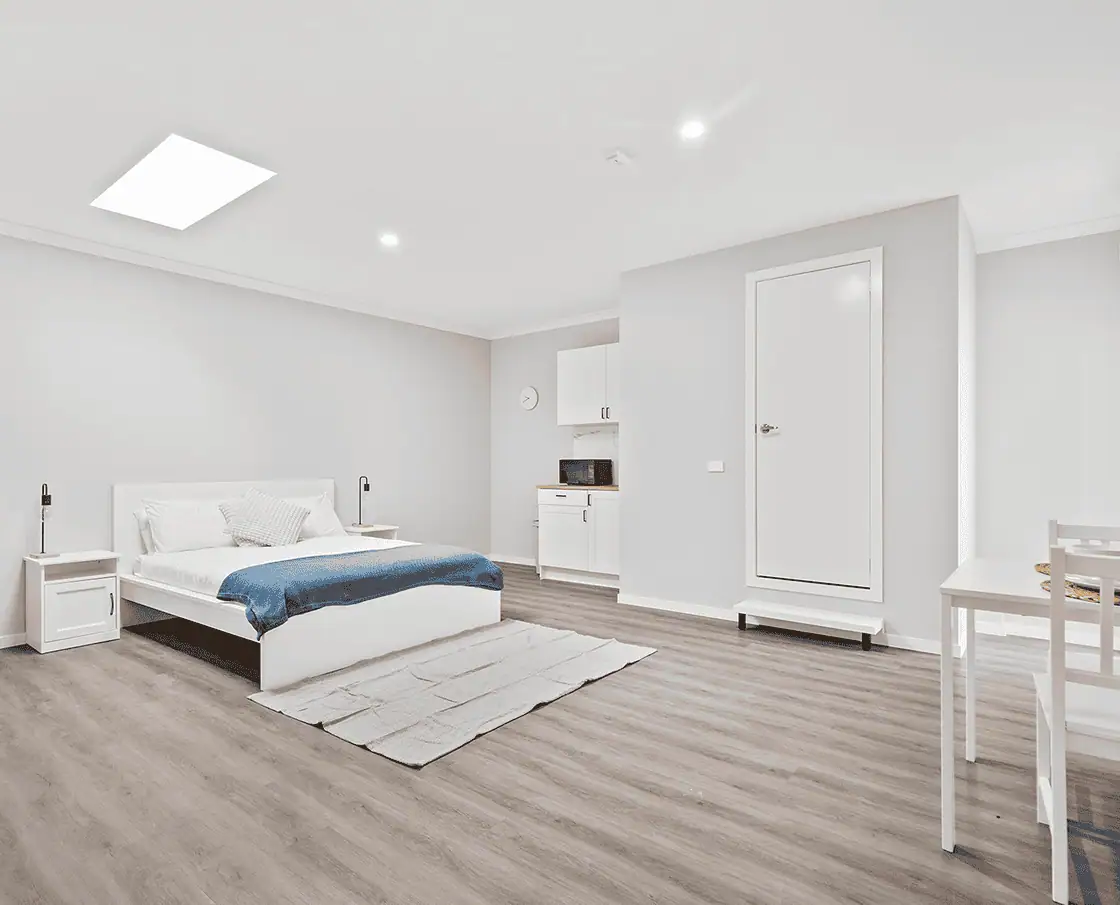
What to look for: Homes within easy reach of stations/town centres, 4+ bedrooms, 2+ bathrooms and scope for one additional ensuite; simple, durable fit-outs.
Watch-outs: In brand-new estates, lease-up can take longer until amenities mature; focus on streets already benefiting from transport and retail; check builder warranties and any covenants that might affect alterations.
Tip for all areas: Verify room sizes, ventilation, egress and wet-area feasibility against Victorian requirements; stress-test parking and waste arrangements for multi-tenant living; and prioritise floorplans that naturally separate private and shared zones to keep households stable and turnover low.