
Greater Brisbane Co-living Investment
Greater Brisbane Co-Living: A Smarter Approach to Yield and Long-Term Demand
How Greater Brisbane Co-Living Strengthens an Investment Portfolio
Considering Greater Brisbane Co-living investment opportunities? INVIDA helps investors capitalise on one of Australia’s strongest rental markets. Greater Brisbane combines rapid population growth, sustained rental demand, major infrastructure investment and tightening affordability, creating ideal conditions for co-living as a durable, high-yield asset class.
At INVIDA, we specialise in Greater Brisbane Co-living property management, helping investors achieve high occupancy, stable households and optimised rental performance. Whether you’re converting an existing property or acquiring a yield-focused asset, we support you from strategy through to ongoing operations.
What Co-Living Looks Like in Greater Brisbane (and Why It’s Growing)
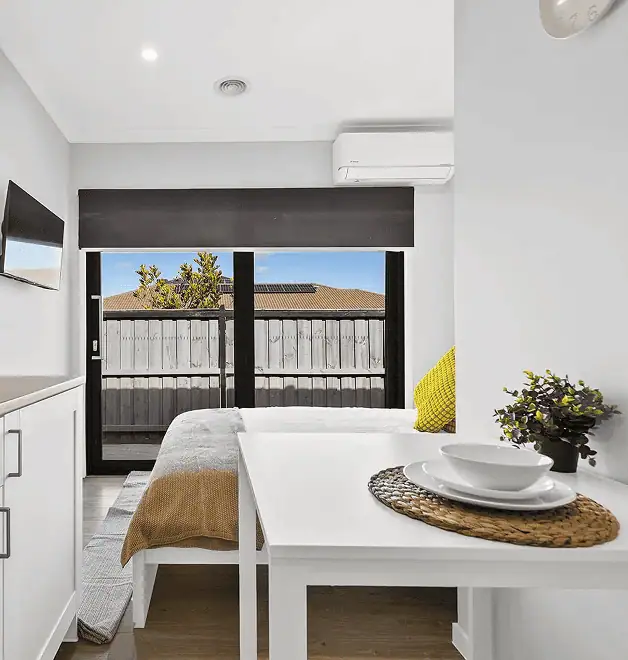
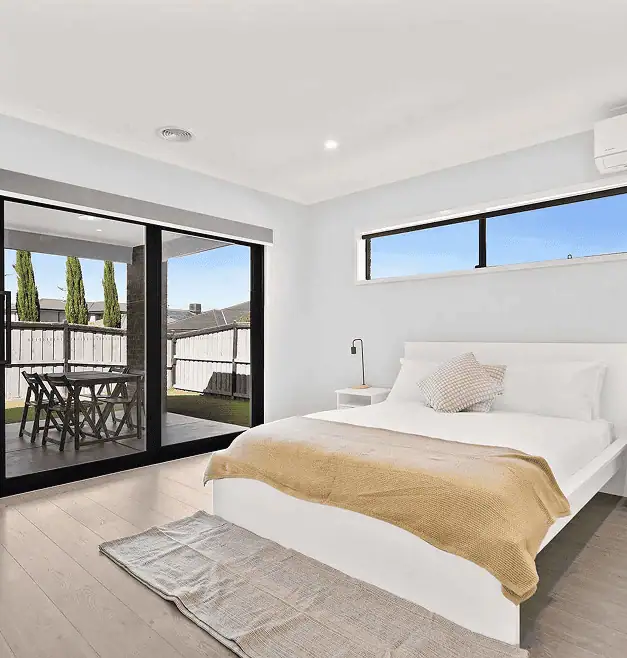
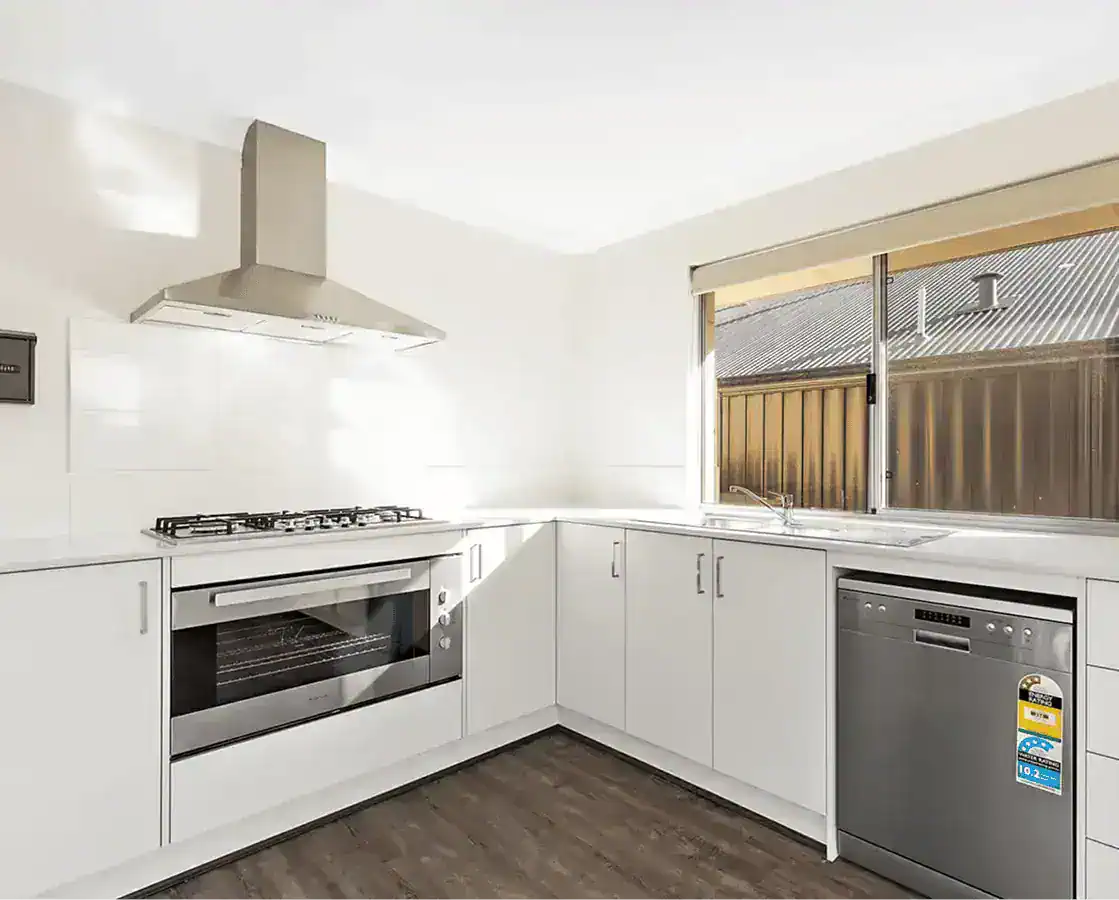
Co-living typically features private, lockable bedrooms or studios combined with a kitchenette, shared kitchen, living areas and amenities. Tenants lease individually while benefiting from inclusive services such as utilities, internet and regular cleaning.
In Greater Brisbane, co-living options strongly appeal to professionals, essential workers, downsizers and long-term renters. These are the people who value affordability, flexibility and well-located housing, particularly as traditional rental supply remains constrained across the region.
This model is resonating in Maribyrnong with digital nomads, young professionals, key workers and downsizers who value affordability, convenience and a sense of community.
Is Co-Living Right for You?
We’ll walk you through our proven co-living investment model, answer your questions, and show you how to maximise rental returns.
Why Greater Brisbane Co-Living Demand Is Surging
Greater Brisbane is one of Australia’s fastest-growing capital city regions. The metropolitan area is now home to over 2.6 million residents, with continued interstate migration and strong natural population growth placing pressure on housing supply. Median rents across Brisbane have risen sharply in recent years, with vacancy rates consistently sitting around 1% or lower in many suburbs.
These conditions are accelerating demand for well-managed, affordable rental alternatives. This makes Greater Brisbane co-living spaces increasingly attractive. Key drivers include:
Tight Supply and Low Vacancies
Greater Brisbane continues to experience historically low vacancy rates, increasing competition among renters. Co-living improves housing efficiency by converting single-household dwellings into professionally managed, multi-resident homes.
Changing Renter Preferences
Many tenants are prioritising flexibility, affordability and convenience over traditional long leases. Greater Brisbane Co-living meets this need with private rooms, shared amenities and predictable weekly costs.
Strong Population Growth
South-East Queensland is absorbing sustained population inflows, driven by lifestyle migration, employment opportunities and major infrastructure projects. Scalable housing models like co-living respond more effectively to this growth than standard rentals.
Cost-of-Living Pressures
Rising living costs have increased demand for rentals with bundled expenses. Greater Brisbane Co-living offers clarity and cost control without sacrificing location or amenity.
Access to Jobs, Transport and Services
Greater Brisbane’s employment hubs (health, construction, logistics, education and professional services) support consistent tenant demand, particularly in suburbs with strong transport connectivity.
Alleviating Housing Stress Through Greater Brisbane Co-living
Greater Brisbane coliving benefits the regional ecosystem by providing a scalable, long-term solution to the dual challenges of dwindling supply and rising costs. By reimagining the utility of existing residential assets, this model serves as a vital bridge between traditional houses and high-density apartments.
Expanding Rental Inventory Without New Construction
Co-living allows for the immediate expansion of available rooms within the existing urban footprint. By repurposing underutilised large homes into professional shared environments, we can increase the “effective” supply of beds in high-demand suburbs without the multi-year delays associated with new greenfield developments or major construction projects.
Providing Cost-Effective Housing for the Modern Renter
In a market where traditional one-bedroom apartments are becoming prohibitively expensive, co-living delivers a high-quality, well-located alternative. These spaces provide an entry point for tenants to live closer to employment hubs and transport corridors at a price point that is significantly lower than a sole tenancy, without sacrificing modern amenities.
Promoting Intelligent Urban Consolidation
This model supports the state’s goals for sustainable growth by increasing density within established neighborhoods. By housing more individuals on a single plot of land, co-living reduces the pressure for urban sprawl, making better use of existing infrastructure, public transport and local services.
Strengthening Yields and Reducing Investment Volatility
From a financial perspective, the multi-lease structure of a co-living asset acts as a natural hedge against vacancy. Unlike a traditional rental where a single tenant leaving results in 0% income, a co-living property with multiple residents ensures that cash flow remains consistent. This diversification often leads to net yields that significantly outperform standard residential benchmarks.
For the forward-thinking investor, Greater Brisbane Co-living represents far more than just a high-yield strategy; it is a vehicle for genuine social impact. By integrating this asset class into your portfolio, you are actively participating in the solution to the housing crisis. This provides secure, dignified and community-centric accommodation for the very people who keep the city running.
From essential healthcare workers and young professionals to retirees looking for connection, you are offering a housing product that addresses a deep-seated human need for belonging and affordability. Ultimately, this creates a “double bottom line” where your financial resilience is bolstered by the delivery of lasting social value to the South-East Queensland community.
Why Greater Brisbane Is Well-Suited to Co-Living Investments
Greater Brisbane presents a compelling environment for co-living investors, underpinned by consistent rental demand, supportive demographics, adaptable housing stock and continued infrastructure investment across South-East Queensland.
Consistent Tenant Demand
Low vacancy rates combined with ongoing population growth enable faster lease-up and reliable occupancy when properties are well located and professionally managed.
Opportunities to Increase Rental Income
Reconfiguring suitable homes into three to five individual rooms can materially lift total rental income, even after accounting for higher management and service costs.
Attractive Yield Outcomes
Room-by-room leasing and bundled services often deliver stronger net yields compared to traditional single-tenancy houses.
Reliable Occupancy Across Multiple Sub-Markets
Suburbs throughout Brisbane’s northern, southern and western corridors continue to attract renters priced out of inner-city apartments, while still offering strong transport and employment access.
Growing Planning Support for Alternative Housing
Queensland planning frameworks are increasingly accommodating housing formats that address affordability and supply constraints, creating clearer pathways for compliant co-living projects.
Scalable Strategies With Flexible Exit Options
Investors can scale through multiple conversions or move into purpose-built developments, with broader market acceptance improving long-term resale and exit flexibility.
Best Areas for Greater Brisbane Co-living Investment
Best Areas for Greater Brisbane Co-Living Investment
Western Greater Brisbane
The western corridor of Greater Brisbane continues to benefit from population growth, expanding health and education infrastructure, and improving transport connectivity. This region typically offers stronger affordability relative to inner Brisbane, making it attractive for working professionals, essential workers and long-term renters seeking value within commuting distance of major employment hubs.
What to look for:
- Homes with flexible floorplans and multiple living zones that reduce household friction
- Modern builds where possible, helping minimise upfront compliance and fit-out costs
- Practical access to rail corridors, bus networks and major retail and service centres
Watch-outs:
- Infrastructure staging can vary significantly within the broader western corridor
- Flood overlays apply in parts of Greater Brisbane’s western catchments and must be assessed during due diligence
Northern Greater Brisbane
Northern Greater Brisbane combines employment access, tertiary education precincts and relative affordability compared to inner-city markets. The region attracts professionals, healthcare workers, trades and long-term renters who require transport connectivity but prioritise rental value.
What to look for:
- Properties within practical reach of rail stations, university precincts and commercial centres
- Genuine bedroom sizes suitable for individual leasing
- Strong arterial road access for tenants working across multiple employment zones
Watch-outs:
- Estate covenants or design guidelines may restrict alterations
- Minimum parking requirements can limit feasible room configurations
- Street-level traffic exposure can materially impact tenant appeal
Southern Greater Brisbane
Southern Greater Brisbane benefits from proximity to major employment clusters, hospitals, industrial zones and key transport corridors. The region typically supports a diverse tenant profile, which can enhance household stability when screening and management are handled correctly.
What to look for:
- Solid construction and layouts that naturally separate private rooms from shared living areas
- Two or more bathrooms, or the structural feasibility to add an additional bathroom
- Locations with strong access to bus networks and major arterial roads
Watch-outs:
- Confirm zoning classifications and local amenity standards for co-living accommodation
- Assess traffic exposure and surrounding density to ensure suitability for long-term shared households
Bayside Greater Brisbane
Bayside regions appeal to professionals and lifestyle-oriented tenants seeking proximity to water, green space and rail access to the CBD. Co-living works best in these areas when positioned as calm, well-managed multi-tenant homes rather than high-density shared housing.
What to look for:
- Homes that prioritise privacy and acoustic separation
- Walkable access to rail, shops and community amenities
- Two or more bathrooms or clear capacity for compliant additions
Watch-outs:
- Coastal exposure can increase long-term maintenance requirements
- On-street parking limitations may restrict viable room numbers
- Tenant selection is critical to preserve household harmony in lifestyle-focused areas
Growth Corridors Between Brisbane and Surrounding Cities
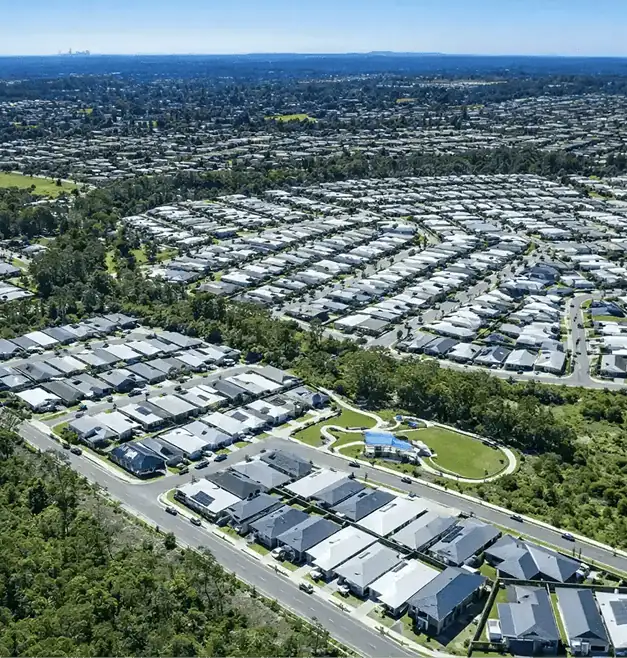
Greater Brisbane’s outer growth corridors, particularly those positioned between Brisbane and neighbouring employment centres, continue to experience population inflows supported by infrastructure upgrades and new housing supply. These regions often provide modern housing stock that can simplify compliant co-living configurations when selected carefully.
What to look for:
- Properties near rail links, bus routes and retail hubs to reduce car dependency
- Newer builds with two or more bathrooms and effective sound separation
- Flexible floorplans that allow co-living without constant overlap in shared spaces
Watch-outs:
- Confirm planning classification and operational compliance requirements before purchase
- Peak-hour congestion can impact tenant appeal in transport-dependent areas
- Strong screening processes and clearly defined household rules are essential to manage turnover risk
Important
Always confirm local council planning controls, parking requirements and building standards before proceeding with any Greater Brisbane co-living acquisition or conversion. Early consultation with a town planner or building certifier can prevent costly redesigns, compliance breaches or approval delays.
How INVIDA Maximises Performance in Greater Brisbane Co-Living
INVIDA delivers end-to-end support designed to simplify Greater Brisbane co-living and help investors achieve stronger, more consistent returns. Our approach combines upfront strategy, operational discipline and ongoing compliance oversight, so your property performs from day one and remains protected over the long term.
Strategic Property Selection & Compliance Foundations
We assess each property for co-living suitability from the outset, reviewing zoning, planning controls, building requirements and local council standards. This ensures every project starts on solid compliance footing and avoids costly redesigns or approval issues later.
Turnkey Fit-Out & Efficient Lease-Up
From layout optimisation to furnishing and final presentation, we prepare homes specifically for shared living. The focus is on comfort, durability and functionality—supporting faster lease-up, smoother move-ins and earlier income generation.
Tenant Screening and Household Management
We manage the full tenant lifecycle, including screening, leasing, maintenance coordination and clear household guidelines. This structured approach supports respectful, low-friction living environments and helps maintain stable, longer-term tenancies.
Income Optimisation & Streamlined Operations
Bundled utilities, internet and cleaning services enhance tenant appeal while simplifying management. These inclusions support premium room pricing, reduce administrative complexity and lift total income per dwelling.
Ongoing Compliance and Risk Management
Regulatory settings continue to evolve across Queensland. We actively monitor relevant planning, building and tenancy requirements in Greater Brisbane, adapting operations as needed to keep your asset compliant, resilient and well-positioned over time.
Thinking About a Co-Living Strategy in Greater Brisbane?
Let’s Discuss Your Greater Brisbane Co-Living Investment Plan
Co-living is a practical investment strategy designed to meet housing demand and improve performance. INVIDA provides support across strategy, property selection, compliance and ongoing management.