
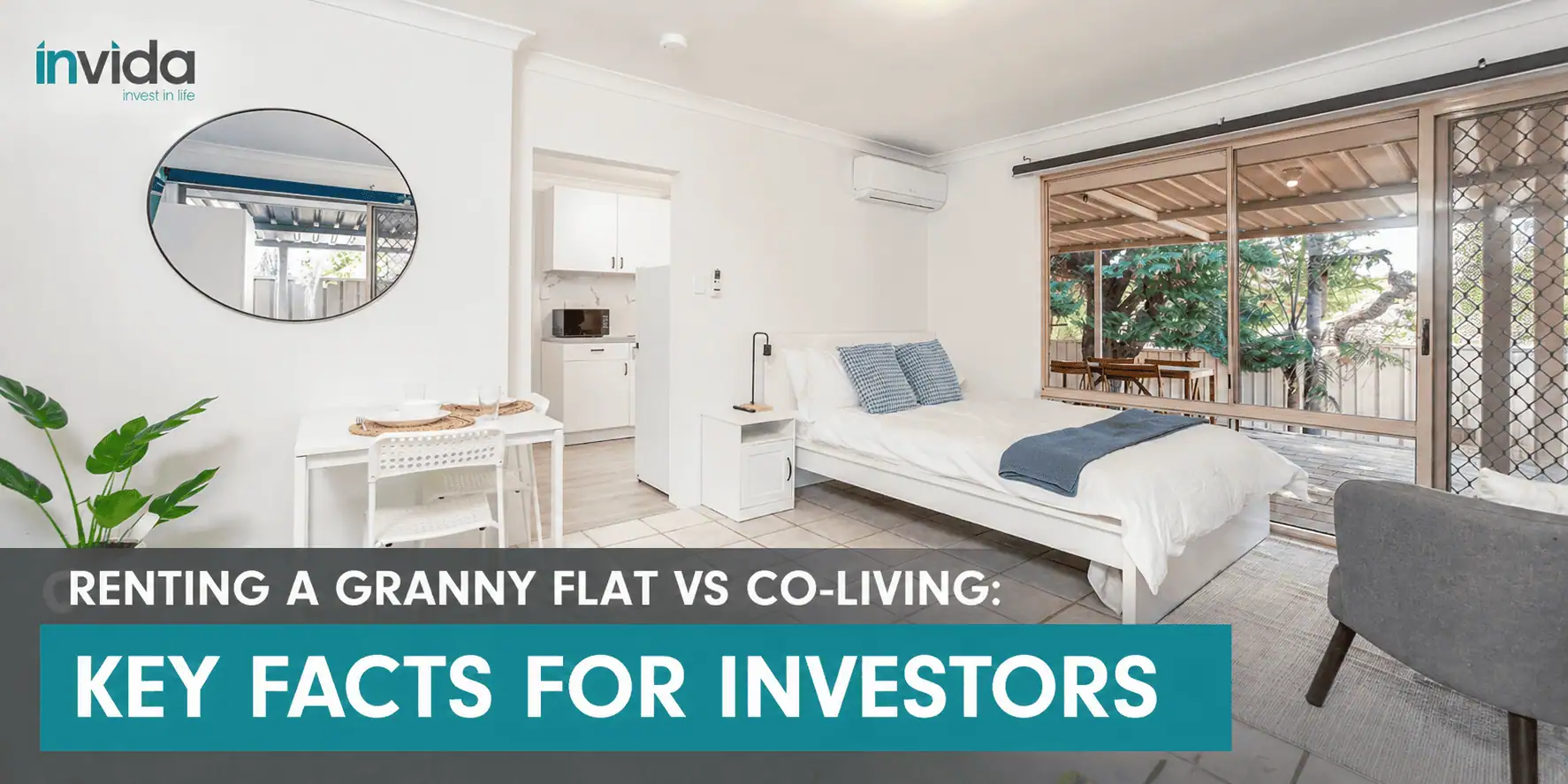
Pros and Cons of Having Granny Flats for Rent
As with any investment opportunity, there are a number of pros and cons to having granny flats for rent. Here is a breakdown of both sides to help you determine if they are worth your time and money:
Advantages of Renting a Granny Flat
- Lower Starting Costs: Construction of a secondary dwelling on an existing property will typically have lower upfront costs compared to a full redevelopment.
- Simplified Approvals: Numerous states and councils have implemented changes to make renting a granny flat easier. For example, Queensland now permits granny flats to be rented out to anyone (not just family members). In Victoria, construction of a small secondary dwelling no longer requires a planning permit in most cases.
Appeals to Renters: Renting a granny flat is an attractive prospect for many tenants, particularly those who desire an independent living situation for a more affordable price point. - Increased Value: The inclusion of a well-designed granny flat can add to the overall value of an investment property.
Disadvantages of a Granny Flat Rental
- Single Income Stream: Renting a granny flat provides landlords with only a single income stream.
- Limited Growth: A granny flat generally has limited potential for future growth (due to size limitations and council restrictions).
- Reliant on Single Tenancy: When you’re renting out a granny flat, you’re reliant on a single tenancy. Any vacancies result in 100% income loss.
- Potential Privacy Issues: Granny flats are often situated behind main dwellings, which can lead to issues with privacy as tenants come and go from the property.
Clearly, there are some benefits to having a granny flat rental as an entry-level investment strategy. However, they are generally less scalable compared to some alternative models.
What Is a Co-Living Property?
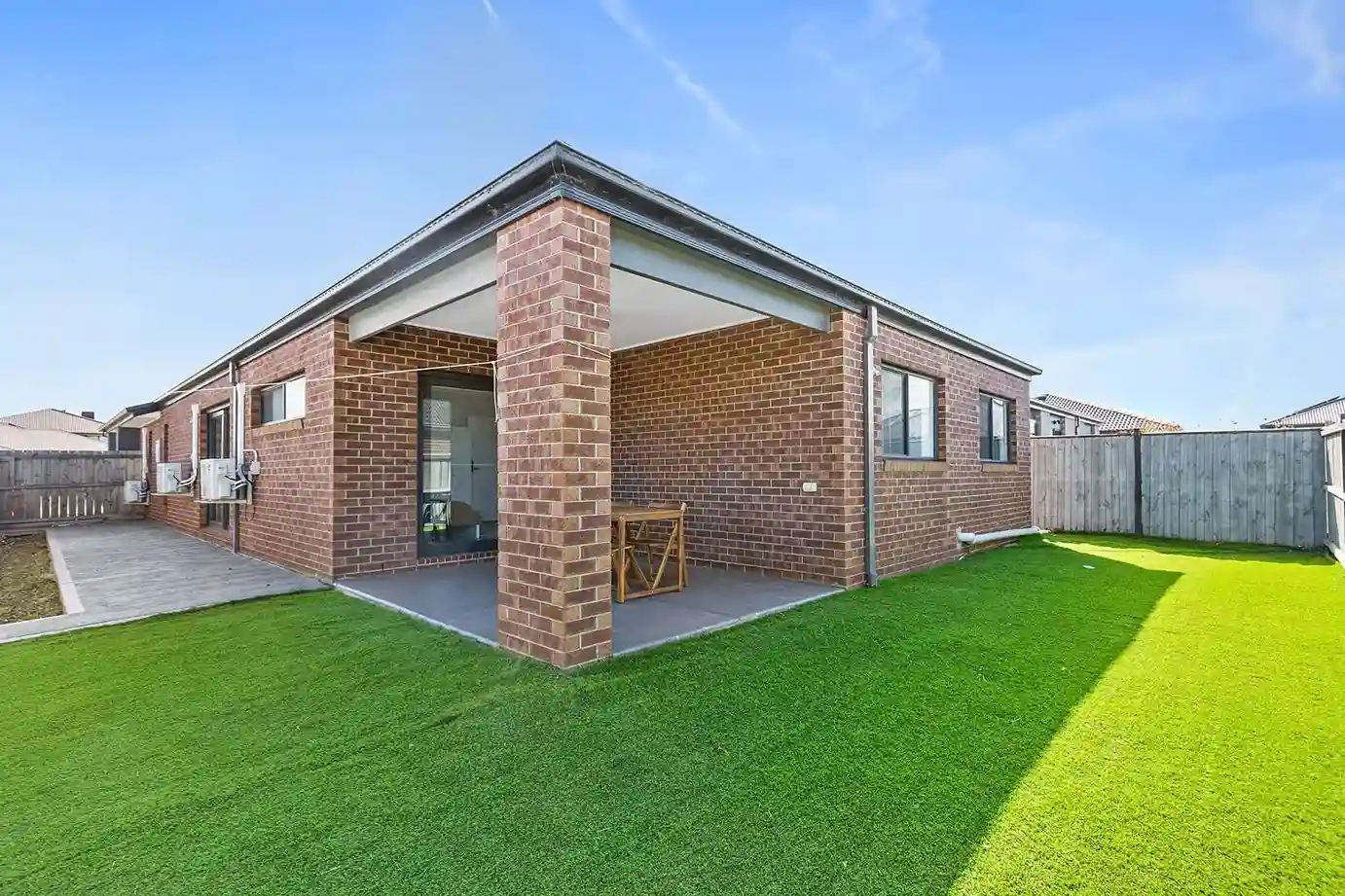
Co-Living investment is a single, typically larger property designed to accommodate multiple tenants, with each resident enjoying a private bedroom complete with built-in amenities such as a kitchenette, bathroom, and dining area.
Unlike a traditional share house, the private areas of a co-living property are designed as micro-apartments. They’ll generally include a bedroom, ensuite and a kitchenette, allowing for greater comfort and privacy.
Co-Living vs Renting a Granny Flat: Key Differences for Investors
What are the key differences investors should consider when comparing a granny flat with a co-living property?
Renting a Granny Flat: Structure and Income Model
When renting a granny flat, investors are limited to a single income stream. With a co-living investment, tenants lease individual rooms. From the investor’s perspective, this generally means multiple small income streams all coming from a single property. This diversification helps to improve cash flow while also reducing risk.
Rental Yield Potential
As a small property on a shared block, granny flats typically offer a rental income of $500-$700 a week, with the potential for gradual increases over time. In contrast, a co-living investment delivers a higher combined income from multiple tenancies.
Vacancy Risk
There is an elevated risk of income loss associated with vacancy in a granny flat rental property. If the tenant moves out and the granny flat is vacant, you’re left with no income. In contrast, a co-living property spreads that risk across multiple tenancies.
It’s like having one large client in business vs having multiple smaller clients – with more tenancies, the risk is spread.
Tenant Demand and Market Alignment
The Knight Frank co-living report showed that 90% of co-living tenants are aged 20-40, with the majority falling into the category of working professionals. This is because co-living properties are often situated in high-demand areas close to public transport, amenities and employment hubs.
While there is also growing demand for granny flat rentals, the tenant demographic appears to be narrower, with many being in a transitional stage of life (post-divorce, relocating for work, etc.) or older Australians looking to downsize.
Scalability and Long-Term Strategy
Data shows that adding a granny flat can definitely improve the performance of a single property. However, their ability to scale is then limited. In contrast, co-living is designed as a repeatable investment model that can be applied across multiple assets. This makes it ideal for investors seeking to grow their portfolio.
When Renting a Granny Flat May Make Sense
There are certain situations when renting out a granny flat as an investment property may make sense. This is particularly the case if you:
- Have an existing property with sufficient land for a small secondary dwelling.
- Are seeking a simple upgrade to a current investment.
- Have budget constraints that prevent the purchase of a new or larger property.
- Prefer simplified property management for your investments.
In the above scenarios, a carefully planned and well-built granny flat can be an excellent addition to your investment portfolio.
Why More Investors Are Transitioning to Co-Living
Investor interest in co-living properties is continuing to grow as more early adopters experience stronger rental returns compared with traditional investment properties. In a market where standard long-term rentals are often limited to a single income stream, co-living offers investors the opportunity to generate multiple rental incomes from one property while meeting the needs of tenants searching for more affordable and flexible housing options.
This increased revenue potential is one of the key reasons more investors are transitioning into the co-living space. With Australia still facing a rental housing crisis and new housing supply not being delivered quickly enough, co-living provides a practical way to make better use of existing properties. By converting one traditional home into a purpose-designed co-living property, investors can effectively turn one front door into several, creating more accommodation options for tenants while improving cash flow, reducing vacancy risk and positioning their portfolios for long-term demand.

Key Considerations Before Choosing a Strategy
Co-living properties can provide a solid return on investment, but there are certain factors to consider before choosing this strategy.
These include:
- Zoning and Restrictions: Before moving ahead with a purchase, make sure the property will comply with all local council regulations and restrictions for co-living properties.
- Financing Differences: Not all lenders will assess co-living investments the same. For this reason, it’s important to do thorough research and find a lender who understands the potential returns on a co-living investment.
- Property Suitability: Not all properties will work well as a co-living rental property. If you’re building a new property, make sure it has the necessary design features for a successful co-living arrangement. If you’re planning to renovate an existing property, talk to a builder with experience in co-living property design.
- Management Complexity: Co-living property management is more complex than a single-tenancy rental. Having a property manager with experience in handling co-living houses will ensure your investment is well cared for.
Choosing the Right Investment Structure for Long-Term Performance
Both granny flat and co-living investments can offer solid returns for Australian property investors. When deciding which option is right for you, it’s important to assess all of the relevant factors, including market conditions, financing and ongoing property management.
Whether you’re considering renting a granny flat to tenants or exploring co-living investments, note that the structure of the latter is more appealing in terms of your returns. For co-living, INVIDA can help you assess feasibility, design the right model and deliver a high-performing investment that offers long-term growth.
Contact INVIDA today to explore this strategy for your property portfolio.