

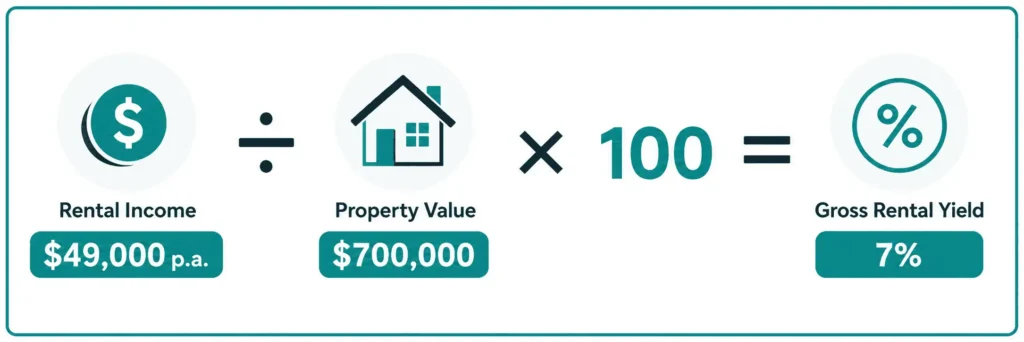

Why Co-Living Investing is Ideal for High Rental Yield Suburbs
Co-living investments have gained popularity due to their ability to optimise rental returns, often generating higher rental yields than traditional rentals. They’ve also become increasingly popular with renters seeking affordability, community and flexibility.
Converting well-located homes in high rental yield suburbs into co-living properties can increase returns while addressing demand for affordable, flexible housing. Low vacancies and resilient rent levels mean multi-tenant leasing can diversify income streams and reduce downtime. This has a flow-on effect of strengthening cash flow for investors.
By focusing on co-living conversions—adding compliant, self-contained bedrooms with shared amenities—investors can turn high-yield suburbs into even more profitable assets. This strategy aligns with ongoing rental undersupply and sustained occupancy pressure across many capitals and regions.
Benefits of Co-Living in High Rental Yield Suburbs
Investing in co-living properties enables landlords to optimise rental income by housing multiple tenants within one dwelling. The model meets Australia’s ongoing need for affordable, flexible rentals and remains relevant in 2026 as rent growth has cooled, but vacancy rates remain consistently low across the country.
Key advantages include reduced vacancy risk, higher occupancy and stronger cash flow from multiple income streams. Co-living can also foster community—an attribute linked to longer stays and higher tenant satisfaction—which supports more consistent income over time.
How to Identify High Rental Yield Suburbs for Co-Living
For investors exploring co-living strategies, knowing how to identify high rental yield suburbs is essential. While national averages provide a general benchmark, real success often comes down to suburb-level analysis. Start by looking for locations with a strong combination of low property purchase prices and consistently high weekly rents—this is the foundation of yield.
Vacancy rates are another critical indicator. Suburbs with tight rental supply (typically under 2%) are more likely to support stable occupancy for co‑living properties. Data from the AIHW’s Housing Data Dashboard shows that many capital cities and high‑demand regional areas continue to experience vacancy rates well below this threshold, meaning demand outstrips supply.
Local government zoning and compliance should also be part of your criteria. Some councils actively support rooming houses or co-living developments, while others have strict regulations that may limit feasibility. Researching infrastructure plans, transport access and employment hubs can also help you shortlist suburbs where co-living demand will likely grow.
By combining data-led analysis with on-the-ground insights, investors can more confidently choose high rental yield suburbs that offer long-term potential for co-living conversions.
High Rental Yield Suburbs in 2026
Several Australian suburbs and regional towns are emerging in 2026 as strong candidates for co-living conversions, thanks to their high rental yields and ongoing tenant demand. Converting homes in these areas into multi-tenant properties can enhance returns while meeting the need for affordable, flexible housing.
Western Australia
Regional mining centres are continuing to lead the way when it comes to rental yields. For example, the suburb of Bulgarra (near Karratha) is now seeing rental yields of 9.5%, reflecting strong rent growth and tight supply. These factors make co‑living conversions especially viable in towns with a transient workforce needing flexible accommodation.
Queensland
Mining towns in regional Queensland remain attractive yield performers. Local data from recent surveys show towns like Menzies and Moranbah appearing in “highest yield suburbs” lists with yields of over 9%.
Victoria
Yields in Victoria are generally suppressed in more expensive metro markets, but there remain pockets of opportunity. Suburbs near Melbourne’s CBD, like Carlton and Travancore, continue to deliver unit yields in the 7‑8% range in some data sets. Regional centres such as Geelong and Ballarat offer more affordable housing stock and can deliver better yields for co‑living‑friendly properties.

5 Common Mistakes When Investing in High Rental Yield Suburbs
While high rental yield suburbs offer compelling returns on paper, not every investment delivers on expectations. New investors are often drawn in by attractive percentage yields without fully accounting for the underlying risks, hidden costs or long-term viability of the property. To succeed in these markets, it’s essential to move beyond headline figures and make informed decisions.
1. Ignoring Local Council Regulations
One of the most common and costly mistakes is overlooking local council rules. Many suburbs with high rental yield also have zoning restrictions, rooming house limits or planning overlays that directly impact co-living conversions. Failing to check building regulations, minimum room sizes, fire compliance or whether a Town Planning Permit is needed can stall a project—or worse, render it illegal.
2. Focusing Solely on Yield Without Assessing Tenant Demand
A high rental yield means little if there’s no steady tenant base to support it. Some investors buy in remote or volatile areas purely based on advertised returns, only to face prolonged vacancies. It’s critical to ask: Who will live here, and why? Suburbs near universities, transport hubs, or employment centres usually offer a better balance of yield and sustainable demand for co-living housing.
3. Underestimating Maintenance and Operational Costs
Older homes in yield-heavy suburbs often require significant upgrades to meet co-living standards—like adding ensuites, fire-rated doors, or separate metering. Investors sometimes underestimate the cost of these conversions or ongoing maintenance for high-turnover, high-density properties. A property that looks cash-flow positive on paper may deliver lower actual returns once these are factored in.
4. Not Considering Market Volatility in Regional Towns
Many suburbs with high rental yield are located in regional or mining-driven towns. While these areas can produce strong returns during boom cycles, they’re also more exposed to economic shifts. It’s important to plan for income fluctuations and have a buffer to cover potential vacancies or local industry slowdowns.
5. Choosing the Wrong Property Type for Co-Living
Not all homes are co-living ready. Some layouts simply don’t lend themselves to multiple tenancies without major structural changes. Investors should focus on dwellings with generous space, multiple bathrooms or flexible living zones—features that reduce friction between housemates and support long-term leasing success.
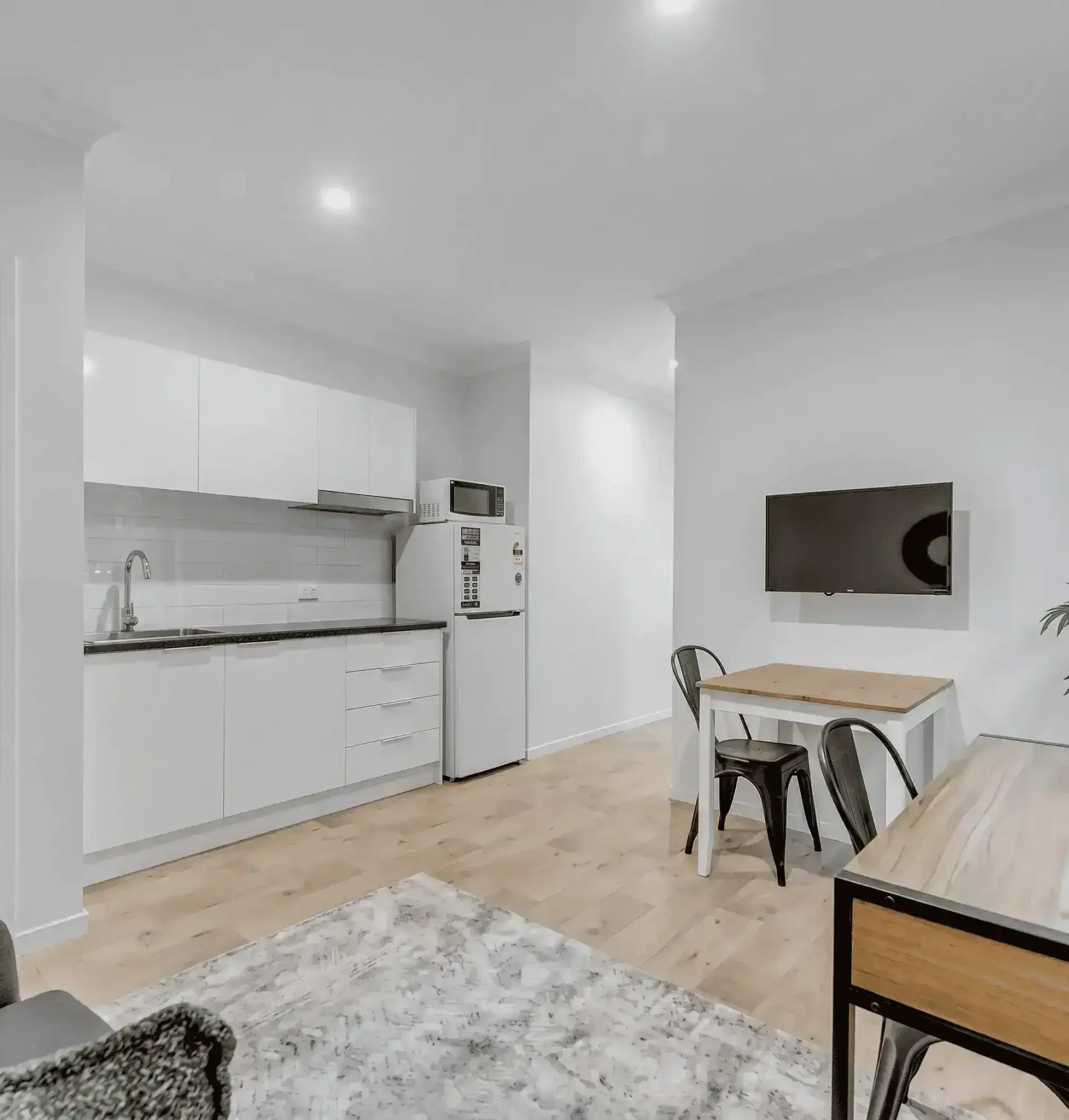
Co-Living Investing in High Rental Yield Suburbs with INVIDA
Whether you’re exploring your first co-living investment or expanding your portfolio, the INVIDA team can help you identify high rental yield suburbs and navigate the entire process — from strategy and finance to property management and compliance.
Contact INVIDA today and take the first step toward your new co-living investment.