How INVIDA Assesses Property Investment Opportunities for Co-Living
Before we consider property investment opportunities suitable for an investor, we look at the complete feasibility of the proposed project. That includes zoning, lot size, overlays, the existing structure, room configuration, parking, access, compliance work, construction costs and the likely tenant market.
It is also important to understand that the terminology and approval pathways are not identical across Australia.
NSW has specific planning provisions for “co-living housing”, Queensland regulates “rooming accommodation”, Victoria uses the term “rooming house”, and Western Australian requirements can involve “lodging houses” and local government controls.
An investor therefore cannot assume that a strategy that works in one state or council will work the same way somewhere else.
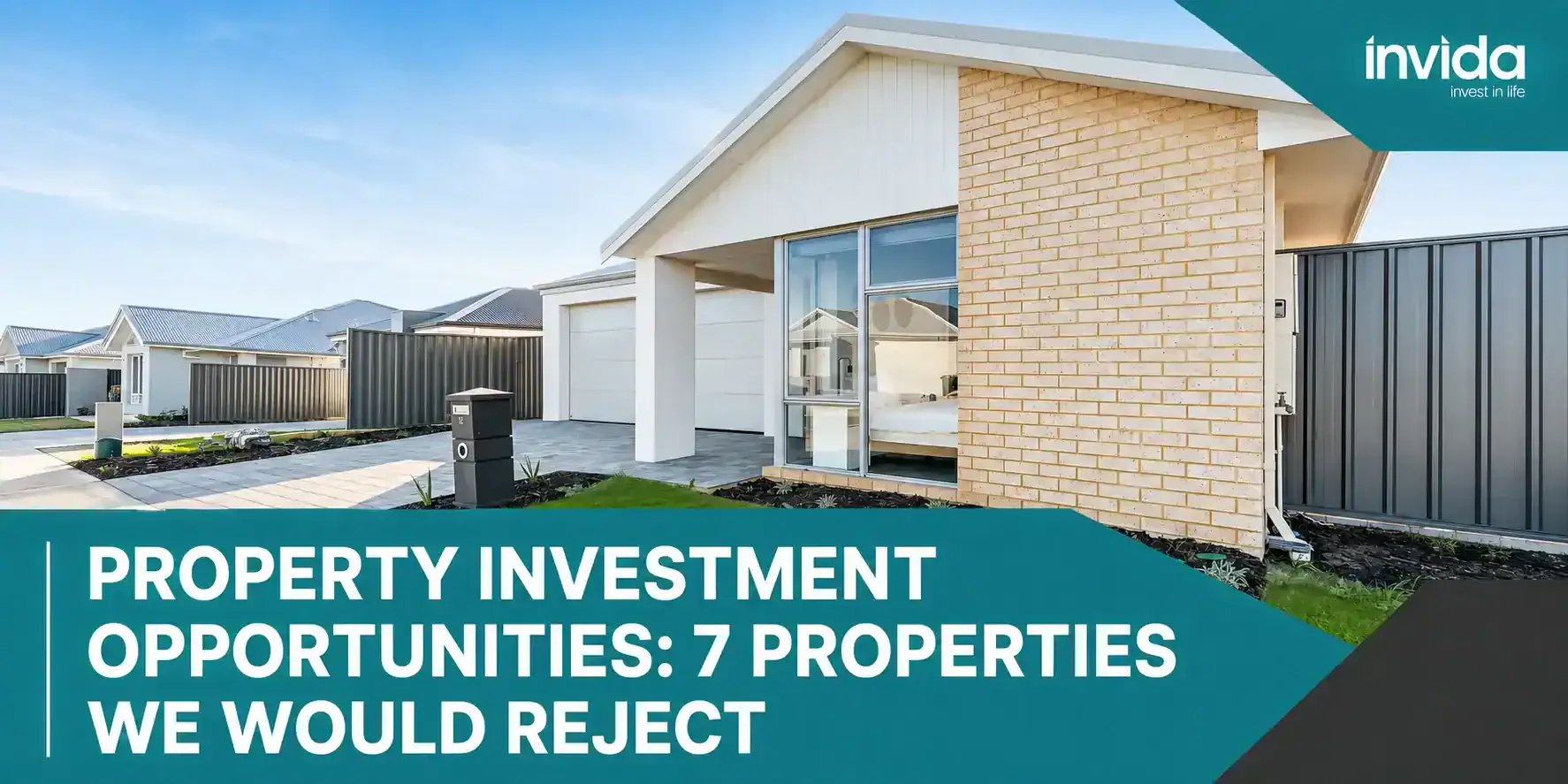
Here are seven types of properties that can cause us to reject an opportunity.
1. When a Property Fails the Planning Test
The first question is not:
“How many bedrooms can we create?”
It is whether the proposed use can lawfully and commercially work on the site.
In NSW, co-living housing requires development consent in most cases and must contain at least six private rooms. According to NSW Planning’s co-living housing requirements, the minimum lot size is 600 m² on R2-zoned land and 800 m² on other land.
NSW co-living housing must also provide indoor and outdoor communal space. Parking rates are generally 0.2 spaces per room in accessible areas and 0.5 spaces per room elsewhere, unless a lower council rate applies.
Those requirements can immediately change the feasibility of a proposed co-living property.
A block may have the right location and purchase price but still be too small, unable to accommodate appropriate communal areas or poorly suited to the parking requirements.
Queensland creates a different test.
The current streamlined pathway for qualifying small-scale rooming accommodation in lower-density residential zones applies to a maximum of five bedrooms and five occupants where the prescribed requirements are satisfied.
The Queensland Government’s rooming accommodation guidance confirms that these temporary provisions are currently scheduled to expire on 2 December 2026. Projects that do not satisfy the prescribed requirements may require local government planning approval.
A different approval pathway can change cost, timing and risk, even if the project remains technically possible.
What INVIDA looks for instead: A site where zoning, lot size, proposed use and relevant council requirements have been investigated before the investor commits to the purchase.
2. Homes With the Wrong Bones for a Co-Living Conversion
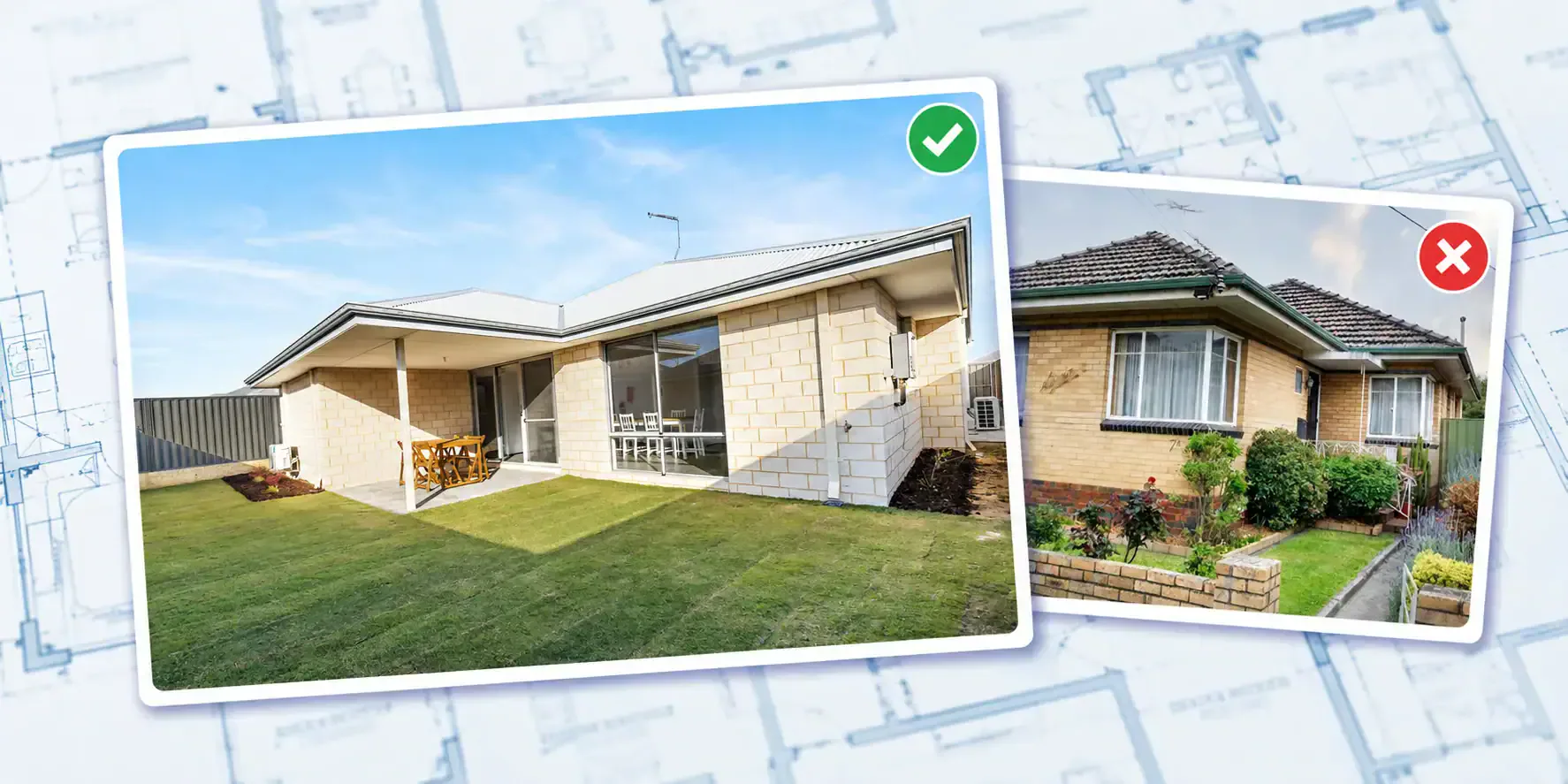
A large house is not automatically a good co-living conversion.
We look at how the existing home is constructed and how easily it can be adapted.
Load-bearing walls in the wrong locations, bathrooms far from existing plumbing, awkward corridors, poor natural light, limited ventilation and insufficient common space can all turn a seemingly straightforward conversion into a major renovation.
We also consider how residents will actually use the property.
A rooming house investment needs more than a high bedroom count. Residents need practical circulation, privacy, secure rooms, usable shared spaces, storage and facilities that support comfortable long-term living.
Older properties can also conceal expensive issues such as ageing electrical systems, outdated plumbing, structural defects, water damage or asbestos.
If too much of the existing building needs to be removed or rebuilt, the supposed savings from buying an established home can disappear.
What INVIDA looks for instead: Existing homes with layouts that can be adapted efficiently without compromising resident amenity or pushing the construction budget beyond the expected return.
3. Property Investment Opportunities That Only Work With “One More Bedroom”
Some property investment opportunities only look attractive because the feasibility assumes the maximum possible number of rentable rooms.
That can be dangerous.
Adding another bedroom may improve the projected rental yield, but it can also change the planning or building pathway, increase parking or servicing pressure, reduce common space and create a poorer living environment.
In Queensland, for example, moving beyond the current small-scale threshold of five bedrooms and five occupants can take a project outside the streamlined planning provisions.
Victoria has a different set of thresholds.
Under Clause 52.23 of the Victorian Planning Provisions, the planning-permit exemption for qualifying rooming houses is subject to conditions including:
- no more than 12 people accommodated
- no more than nine bedrooms
- no more than 300 m² of building floor area, excluding outbuildings.
Exceeding one of these thresholds does not automatically mean the project is impossible. It can mean that a different approval pathway, additional assessment or another building classification needs to be considered.
For INVIDA, the objective is not to squeeze the highest possible room count into a property.
It is to find the configuration that produces a strong co-living investment while remaining practical to approve, build, operate and manage.
What INVIDA looks for instead: The optimum bedroom count for the property rather than simply the maximum number that can physically fit.
4. Sites Where Flood, Bushfire, Heritage or Other Constraints Destroy the Feasibility
The best property investment opportunities are not necessarily the sites with the fewest planning controls, but every significant constraint should be understood before purchase.
Flooding, bushfire risk, coastal hazards, heritage controls, steep land, easements and other overlays can affect design, approval requirements, construction methodology, insurance and project costs.
Queensland’s current rooming accommodation framework specifically confirms that overlays can affect whether local government planning approval is required for rooming accommodation in lower-density residential areas.
This is why investors need to investigate the actual site rather than relying on a suburb-level assumption.
The presence of an overlay does not automatically make a site unsuitable.
The problem arises when the cost of responding to the constraint materially weakens the investment case.
A cheaper property that requires expensive flood mitigation, difficult access work or major redesign may ultimately cost more than a higher-priced site with fewer constraints.
What INVIDA looks for instead: Sites where known constraints can be accommodated without undermining the project’s financial or operational viability.
5. Cheap Land That Does Not Suit a Co-Living Custom Build

When assessing property investment opportunities for a custom build, the cheapest block is rarely our only consideration.
A co-living custom build should be designed around the needs of the intended residents and the operating model.
That means the land needs to be capable of accommodating the building footprint as well as appropriate access, parking, landscaping, outdoor areas, setbacks and services.
A narrow frontage can restrict the floor plan.
An irregular block may create unusable areas.
A steep site can require retaining walls, additional engineering and more expensive foundations.
Easements can remove precisely the part of the site needed for the building.
This is why buying land before completing a co-living feasibility assessment can be risky.
A bargain block is not a bargain if the intended property cannot be built efficiently on it.
What INVIDA looks for instead: Land that supports the right design, room configuration and resident experience without unnecessary construction complications.
6. Older Homes Where Compliance Becomes the Renovation
This is why property investment opportunities involving older homes need to be assessed on their finished compliant cost, not their purchase price alone.
Converting a standard dwelling to shared accommodation can introduce building and safety requirements that were not relevant to the property’s previous use.
The Queensland Government’s rooming accommodation guidance specifically notes that when an existing dwelling house is converted to rooming accommodation, additional fire-safety requirements under the building code apply.
It also makes clear that the streamlined planning pathway does not remove other approvals that may be required for building work, plumbing, drainage, registration or accreditation.
Victoria provides another useful example.
The Consumer Affairs Victoria rooming house minimum standards cover matters including:
- locks and room security
- electrical outlets
- window coverings
- kitchens
- dining facilities
- bathrooms
- shared laundry facilities
- lighting
- evacuation information
- heating
Since 1 December 2025, Victorian rooming-house operators must generally provide a fixed heater secured to a wall, floor or ceiling in each resident’s room.
If an older home requires major electrical, plumbing, heating, fire-safety and layout upgrades at the same time, the co-living conversion budget can increase quickly.
What INVIDA looks for instead: Homes where the required compliance work is understood upfront and the completed project can still deliver a sensible investment return.
7. Property Investment Opportunities in the Wrong Rental Market

A property can pass every planning and construction test and still be the wrong investment.
For a co-living investment to work, there needs to be sufficient demand in the local market for this style of accommodation at the rents required by the feasibility.
That is why we look beyond the house itself.
We consider access to:
- employment centres
- hospitals and healthcare precincts
- universities and education
- commercial centres
- public transport
- shopping and services
- other major demand drivers.
We also consider local rental conditions, competing accommodation and the type of tenant the finished co-living property is intended to attract.
A beautifully designed six-bedroom co-living home can underperform if it is built in an area where the target tenant has little reason to live.
This is also where rental yield needs to be treated carefully.
A projected yield based on full occupancy and optimistic room rents is not the same thing as a sustainable operating result.
What INVIDA looks for instead: Locations with identifiable tenant demand, practical access to transport and employment, realistic room rents and a clear reason for residents to choose the property.
What About Co-Living and Rooming Houses in Western Australia?
Western Australia is a particularly good example of why investors need to investigate requirements at local government level.
WA Health explains the role of local government in administering and enforcing a range of public and environmental health legislation within local districts.
A useful practical example can be found in the City of Joondalup.
The City of Joondalup’s lodging house guidance states that operating a lodging house for more than six people requires registration and planning approval. Constructing a new building or adding to an existing one requires a building permit, while some existing-building fitouts may also require approval.
The City specifically recommends discussing the proposed project with council before proceeding with applications.
That does not mean every WA council applies exactly the same requirements as Joondalup.
It demonstrates why an investor should not purchase a property on the assumption that there is one simple, statewide “WA co-living rule”.
For a rooming house investment, co-living conversion or co-living custom build in Western Australia, the relevant local planning scheme, local laws and building requirements need to form part of the feasibility assessment.
Conversion or Custom Build: Which Properties Do We Prefer?
The right property investment opportunities can include both existing homes and vacant land.
A co-living conversion can be an excellent option when the home has an adaptable layout, manageable compliance requirements and a purchase price that leaves sufficient budget for the necessary works.
A co-living custom build provides greater control over room sizes, bathrooms, acoustics, common areas, storage and the overall resident experience.
However, the land still has to suit the design and approval pathway.
INVIDA does not need every opportunity to fit the same model. We need the investment strategy to fit the property.
Sometimes that means converting an existing house. Sometimes it means building from the ground up.
And sometimes it means rejecting the site altogether.
The Property Is Only an Opportunity After Due Diligence
The right property investment opportunities are the ones that continue to make sense after planning, design, compliance, construction and tenant-demand checks have been completed.
A low purchase price alone is not enough.
Neither is a high projected rental yield or a floor plan showing a large number of bedrooms.
At INVIDA, our role is to help investors look beyond the property listing and understand what the finished co-living property could actually cost, how it can operate and whether the local market supports the strategy.
If you are considering a co-living conversion, rooming house investment or co-living custom build, speak with INVIDA before committing to the wrong property.
A strong property investment strategy starts with selecting the right opportunity and being prepared to walk away from the wrong one.