
Sunshine Coast Coliving
Investing in Smart, Affordable and Community-Focused Living
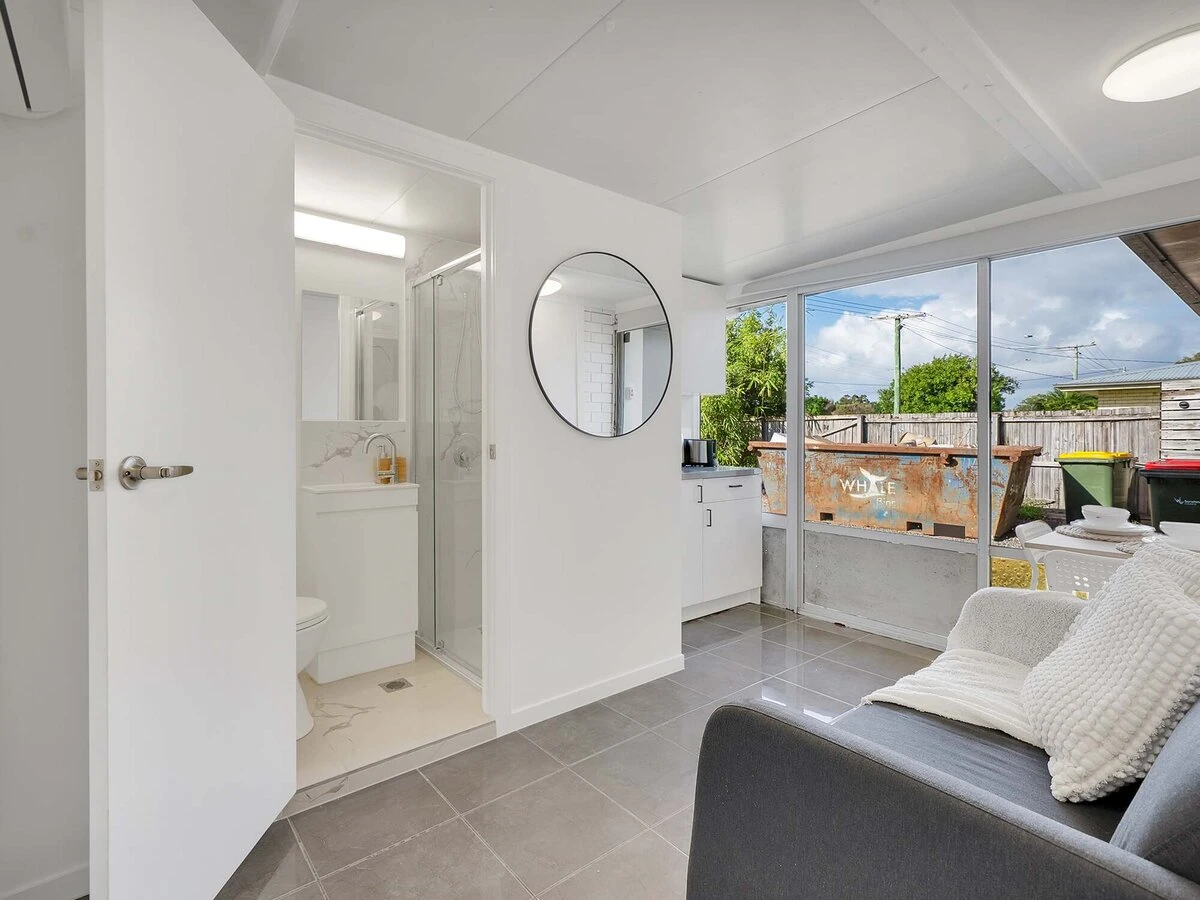
Looking for Sunshine Coast coliving properties to invest in? INVIDA is here to help.
Co-living on the Sunshine Coast is transforming the way people live – and invest. With a shortage of affordable rentals, rapid population growth and rising interest in flexible, community-style housing, co-living properties on the Sunshine Coast offer a sustainable and high-yield investment opportunity.
At INVIDA, we specialise in building custom co-living homes and converting existing properties into compliant shared housing. We also offer full-service property management tailored to co-living investments – helping you maintain high occupancy, streamline tenant experiences and maximise rental income.
So, whether you’re a seasoned investor or a homeowner ready to earn more from your property, we’ll help you unlock the potential of co-living on the Sunshine Coast.
What is Co-Living and Why is it Growing on the Sunshine Coast?
Co-living is a modern rental model where tenants lease private rooms with ensuite bathrooms, kitchenettes and living spaces – all within larger shared homes that include communal amenities. Utilities, internet, furnishings and cleaning services are often included, creating a convenient, community-based way to live.
Sunshine Coast co-living is becoming especially appealing to essential workers, remote professionals, downsizers and others looking for affordable housing near major infrastructure like hospitals, universities and business hubs.
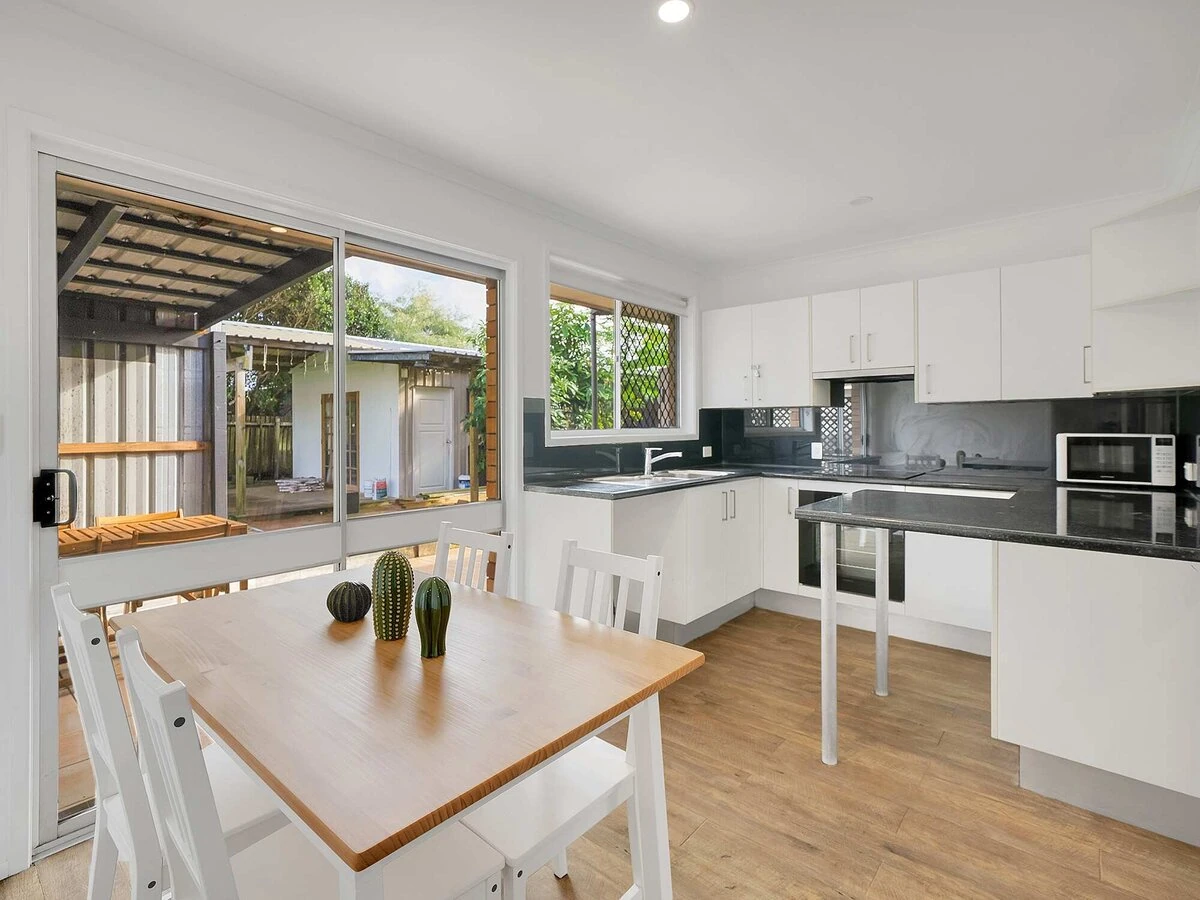
Co Living Sunshine Coast: Why It’s a Popular Option
Like many parts of Queensland, the Sunshine Coast is facing increasing housing pressure. Rental vacancy rates are critically low – just 0.5% in Caloundra and around 1.2% in Maroochydore and the Hinterland. Across the region, vacancy sits at roughly 0.7%. At the same time, weekly rents have surged by more than 10% in many areas over the past year.
As demand continues to outstrip supply, renters are turning to more affordable and flexible housing alternatives. Co-living is emerging as one of the smartest solutions. Here’s why it’s gaining traction on the Sunshine Coast:
Shortage of Affordable Housing
The Sunshine Coast’s population grew by 2.6% between June 2023 and June 2024, reaching approximately 375,300 residents. Rapid growth, particularly near key employment and education precincts, has led to a shortage of affordable rentals. Co-living helps address this by increasing the number of rooms available within existing properties, without the need for high-density developments.
Changing Lifestyles
A mix of young professionals, downsizers, essential workers and remote employees call the Sunshine Coast home – and they value connection, convenience and community. Co-living offers flexible, move-in-ready accommodation with built-in social opportunities, aligning with the preferences of today’s renters.
Rising Population on the Sunshine Coast
The population of the Sunshine Coast is projected to exceed 565,000 by 2046 under current planning schemes. With large-scale infrastructure and residential projects underway, co-living provides a scalable, space-efficient housing option that supports regional growth without compromising on liveability.
Increasing Living Costs
From groceries and petrol to rent and electricity, the cost of living continues to rise. For many residents, renting a standalone property is no longer financially feasible. Co-living allows tenants to share key expenses like utilities and internet while enjoying the privacy of a self-contained room – helping them save hundreds per month.
Meeting Worker and Retiree Housing Needs
The Sunshine Coast is experiencing growing demand for affordable housing among essential workers and retirees. With healthcare and education making up a large portion of the workforce, many professionals struggle to find housing near their jobs due to low vacancy rates and rising rents. At the same time, over 21% of the local population is aged 65 and over – many of whom are seeking affordable, low-maintenance housing options that support downsizing and community living.
Co-living offers a practical solution for both groups. By providing private, self-contained rooms within shared homes, this model allows tenants to save on rent and utilities while enjoying a connected, community-focused lifestyle. It gives workers a way to live closer to their jobs and offers retirees a more sustainable and social alternative to traditional rentals.
Co-living offers a flexible, cost-effective housing solution that directly caters to this demographic – helping residents stay close to work and public transport without the high cost of standalone rentals.
How Co‑Living Can Solve Housing Challenges on the Sunshine Coast and Across Australia
Co-living isn’t just a passing trend – it’s a practical, scalable response to long-standing housing issues affecting regions like the Sunshine Coast. From rising rents to housing supply shortages, this co-living
model offers smart, community-based solutions that work for both residents and investors.
Boosting Rental Supply
Repurposing existing homes into compliant co-living spaces – or building purpose-designed properties – provides a fast and efficient way to boost rental supply without major development projects. This approach helps make the most of underutilised housing, speeds up availability, and relieves pressure on a rental market where vacancy rates sit as low as 0.5% in places like Caloundra and around 1.2% in Maroochydore. Median unit rents have jumped from $484 to $777 per week between 2018 and 2026 – highlighting the urgent need for alternative housing options.
Reducing Housing Stress
As housing becomes less accessible for everyday Australians, especially those on lower or fixed incomes, co-living offers a more affordable entry point into the market. With secure, private rooms that often include en-suites or kitchenettes and shared common areas, this model lowers barriers for those who might otherwise face rental stress or potential homelessness.
Supporting Smarter Suburban Growth
Co-living promotes higher-density living within established communities – supporting Sunshine Coast Council’s goal to accommodate over 500,000 residents by 2041 without placing excess strain on local infrastructure. This model makes better use of existing land and utilities, helps reduce urban sprawl, and encourages more vibrant, economically active neighbourhoods.
Stronger Returns for Investors
For investors, co-living offers strong financial upside. Properties designed or adapted for multiple tenants can generate significantly higher rental yields compared to standard leases. In high-demand areas like the Sunshine Coast – where social housing accounts for only around 2% of dwellings – this model meets growing demand while delivering consistent, diversified income.
As the Sunshine Coast faces mounting housing pressures, co-living is emerging as a scalable, cost-effective solution tailored to local needs. With the potential to support regional planning goals and ease affordability constraints, it’s well-placed to play a key role in the Coast’s long-term housing strategy.
Why Invest in Co Living Properties on the Sunshine Coast?
The Sunshine Coast is quickly emerging as a prime location for co-living investments, thanks to the following:
Strong and Growing Rental Demand
The Sunshine Coast rental market is under intense pressure, with vacancy rates as low as 0.5% in Caloundra and around 1.2% across key suburbs. Weekly rents have climbed by 7–9% over the past year alone, making affordable options increasingly scarce. Co-living directly addresses this shortage by offering more accessible housing without compromising on comfort or location.
Higher Returns from Every Property
With multiple income streams under one roof, co-living properties often outperform traditional rentals. For example, instead of earning $777 per week from a single lease, a home converted into four self-contained rooms renting at $300 each could generate around $1,200 weekly – more than 50% higher returns.
Consistent, Year-Round Occupancy
Co-living appeals to a wide range of tenants – from essential workers to downsizers – thanks to its affordability, flexibility, and all-inclusive structure. When managed professionally, these properties maintain high occupancy rates throughout the year, minimising vacancies and reducing turnover costs.
Government Support for Innovative Housing
Recent state reforms are making it easier to develop and manage co-living homes. Updates to planning rules and rooming accommodation laws under the Housing Availability and Affordability Amendment (HAAPOLA) Act 2024 support the growth of diverse, low-impact housing models – paving the way for co-living to thrive in established neighbourhoods.
Co Living Sunshine Coast: Top Areas for Investment
The Sunshine Coast is primed for co-living, particularly in areas close to infrastructure, lifestyle hubs, and employment zones. Here are some key neighbourhoods Sunshine Coast co-living investors should consider:
Sunshine Coast Coliving: High-Growth Suburbs with Strong Potential
These areas are rapidly expanding and offer access to schools, transport, commercial centres and community amenities – making them ideal for co-living properties.
- Baringa / Aura Estate – A thriving master-planned community near Caloundra West with schools, parks, shopping precincts and new housing developments. Ideal for modern co-living homes built to match future infrastructure and demand.
- Caloundra West – Located within the fast-growing Aura corridor, this suburb offers beach access, family amenities and a mix of new builds and established homes. Strong rental demand and access to the Bruce Highway make it a great fit for co-living.
- Palmview / Harmony – Home to the Harmony master-planned estate, this suburb is experiencing rapid population growth and new infrastructure investment. With parks, schools and retail on the rise, it’s well-suited for shared-living investments.
- Maroochydore – The new CBD is a hub for professionals, students and essential workers. As infrastructure like light rail and the international broadband cable develops, demand for inner-city living is growing – ideal for urban-style co-living models.
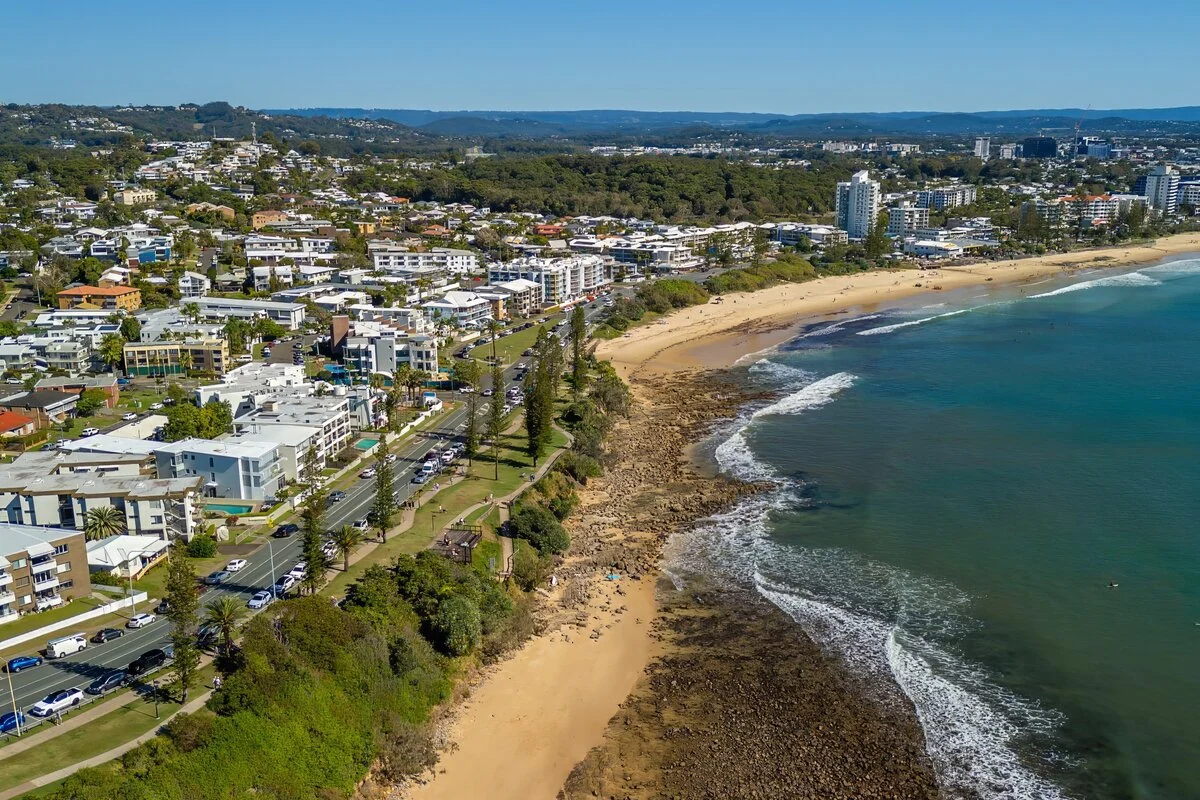
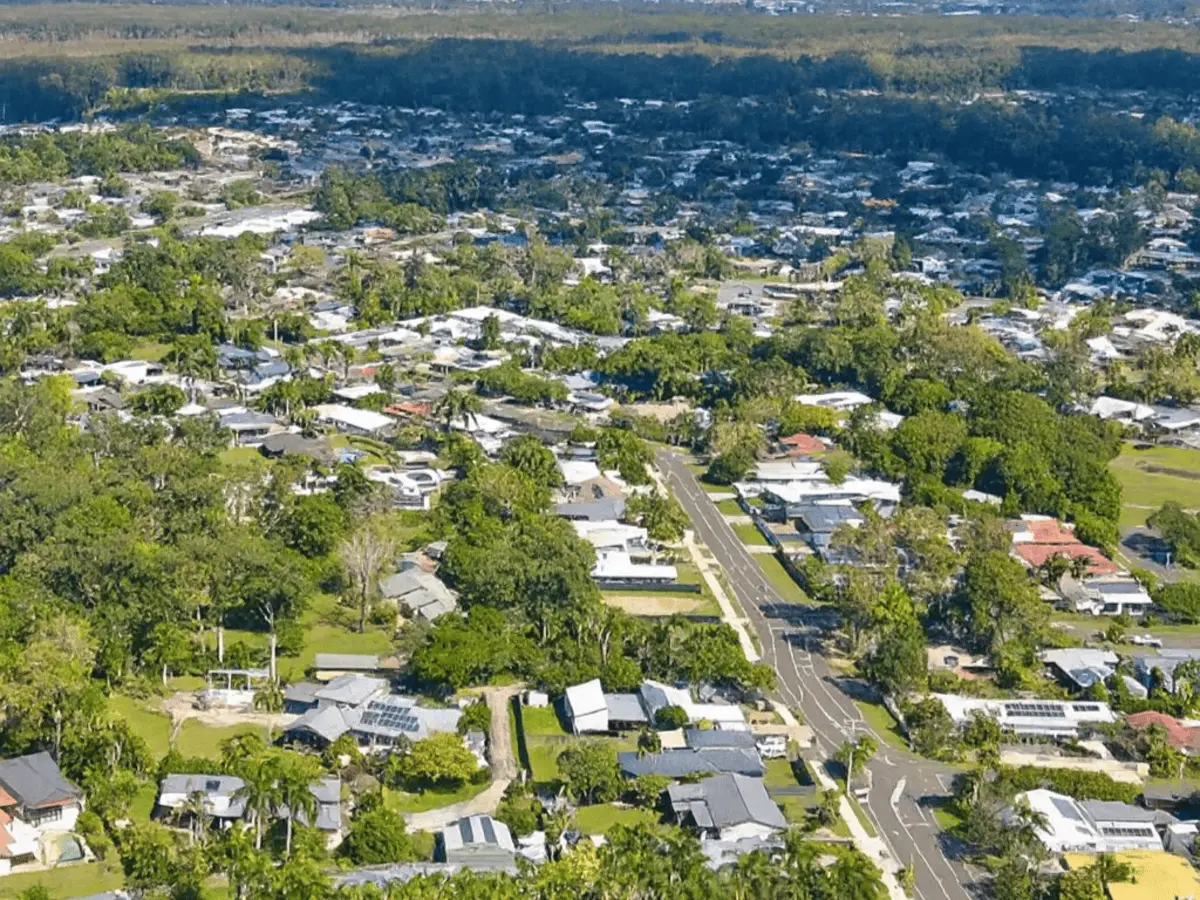
Diverse Sunshine Coast Suburbs for Coliving
These areas offer a great mix of lifestyle, affordability and renter demand – making them suitable for co-living models aimed at workers, downsizers or professionals.
- Bli Bli – A riverside suburb with schools, shopping and access to both beaches and the airport. Great walkability and demand for long-term rentals make it attractive for co-living setups.
- Nambour – With a revitalising town centre, rail access and proximity to hospitals and schools, Nambour is affordable and appealing to essential workers and older renters. Character homes and dual-living properties are common.
- Buderim – Elevated, leafy and well-connected, Buderim offers established homes near schools and the university. Its appeal to professionals and retirees makes it suitable for quality co-living conversions.
- Mountain Creek – Close to education and employment hubs including USC, public and private schools, and the Sunshine Motorway. A consistent performer for rental returns.
Suburbs with High Share-House Compatibility
These locations are known for their rental diversity and openness to shared accommodation, with property layouts that suit co-living.
- Sippy Downs – Close to the University of the Sunshine Coast, hospitals and major employers. Strong demand from professionals and downsizers looking for affordable, low-maintenance housing.
- Kuluin & Kunda Park – Affordable and central, these suburbs offer strong rental demand, good transport links and proximity to industrial and commercial precincts.
- Warana / Kawana Waters – Beachside appeal mixed with hospital and business precinct access. Ideal for co-living targeting healthcare and shift workers.
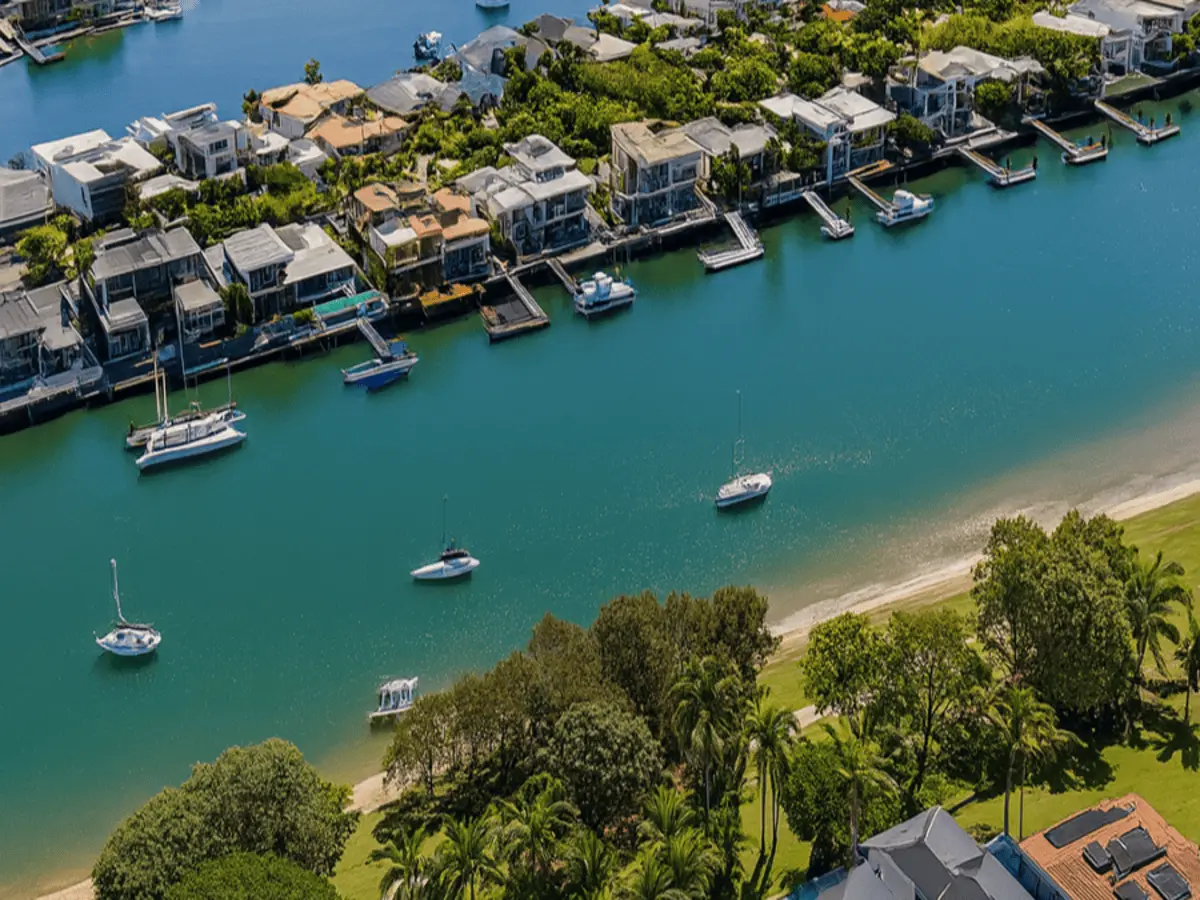
While these Sunshine Coast suburbs show strong potential for co-living investment, thorough due diligence is essential. If you’re considering shared housing opportunities, schedule a strategy session with our team to explore which areas best suit your goals.
Big Changes Coming to Co-Living on the Sunshine Coast
Act Now Before New Sunshine Coast Coliving Rules Kick In on 2 December 2026
From 2 December 2026, major changes are coming that will make co-living conversions on the Sunshine Coast far more difficult and costly.
Right now, compliant properties can be converted into co-living homes without a development application (DA). But from 2 December 2026, that planning exemption will expire.
That means:
- DA will be required for co-living conversions on the Sunshine Coast
- Extra council fees, delays and red tape will become the norm
- In some zones, co-living conversions may be banned entirely
If you act now, you can still avoid all of that.
But the window is closing fast. If you’ve been thinking about investing in co-living, now is the time to check your property’s eligibility and secure your position before the rules change.
How INVIDA Helps You Build a Profitable Co-Living Investment on the Sunshine Coast
At INVIDA, we take the complexity out of co-living investments and make the process straightforward from start to finish.
Strategic Property Selection
We help you find the right property for co-living – ensuring it meets all Queensland building codes, planning rules, and rooming accommodation requirements. Whether you’re buying existing or building new, we’ll guide you every step of the way.
Complete Management, Done for You
From tenant screening and leasing to maintenance and compliance, our full-service property management covers it all. We focus on building a positive living environment that keeps tenants happy and reduces turnover.
Boosted Returns with Built-In Value
We help you increase rental income by including high-demand features like Wi-Fi, cleaning services, and utilities – enhancing the appeal and rental value of your co-living home.
Guidance on Local Compliance
Navigating regulations on the Sunshine Coast is easy with our expert support. We’ll walk you through approvals, safety requirements and layout compliance so you can invest with confidence.
Ready to Invest in Co-Living on the Sunshine Coast? Let’s Chat!
Whether you’re an investor, developer or homeowner, co-living is a smart, future-focused way to grow your property returns. INVIDA is here to help with expert advice and end-to-end co-living management.