
Why More Investors Choose to Invest in Properties Built for Co-Living
Across Australia, demand for affordable, high-quality rentals continues to grow. Many singles and couples are priced out of entire homes, yet still want privacy, comfort and community. Purpose built co-living homes are designed specifically for this group. For investors, that demand can translate into higher occupancy and stronger returns than a typical single tenancy rental.
Another reason many people choose to invest in properties like this is the way co-living fits changing lifestyles. More people are relocating for work, living alone for longer or seeking a ready-made community when they move to a new city. Co-living new builds answer these needs with flexible leases, shared spaces where people can connect and private rooms where they can recharge.
Inside a Future Ready Co-Living New Build
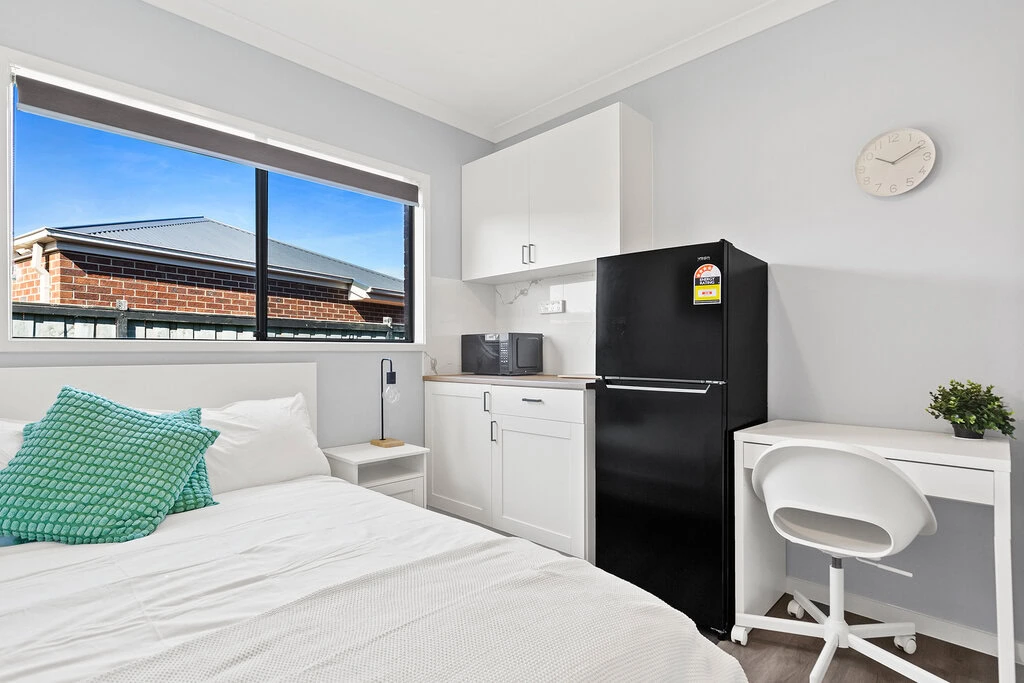
A modern co-living new build looks different from a standard family home. Instead of one master bedroom and several smaller rooms, you see four to eight similar sized rooms complete with ensuite bathrooms and kitchenettes. The main kitchen is larger, and may have multiple fridges. There is also generous storage and room for several people to cook at once. There are comfortable living areas, thoughtful laundry and storage spaces and inviting outdoor zones that encourage people to spend time together.
Design choices support both comfort and durability. Good natural light, ventilation and soundproofing help residents feel at home. Hard wearing finishes and energy efficient appliances help keep long term maintenance and running costs in check, which is important for any serious approach to property investing.
The Investment Case for Co-Living New Builds
For investors who want their investment properties to work harder, co-living can offer a compelling mix of income potential and resilience. Because each resident pays their own rent for a private room, the total rent for the home is often higher than a standard lease to a single household. If one room becomes vacant, the other rooms still generate income, which can help stabilise cash flow.
Professional management is another appeal. Instead of handling every enquiry and inspection yourself, you can partner with a specialist co-living manager who understands this style of investment property, local regulations and tenant expectations. This can make investing in a property like this feel more like owning part of a managed asset and less like juggling multiple rentals on your own.
Co-living new builds can also help diversify a portfolio that already includes townhouses, units or traditional houses. You are still investing in a property backed by land, however you are tapping into a different style of living that is gaining recognition among both private and institutional investors.
Co-Living New Builds Versus Conversions
Some investors enter co-living by converting an existing dwelling, while others prefer to invest in properties that are purpose built for the strategy from day one. Each option has its own advantages and trade offs:
Purpose Built Co-Living New Builds
PROS
- Pro: Layout can be fully optimised for multiple residents; hallways, room sizes, storage and shared zones are all designed around real life co-living patterns.
- Pro: Built to current building codes and standards, including fire safety, accessibility and energy efficiency, which can support long term value and lower running costs.
- Pro: Typically offers more consistent room sizes and a “hotel style” feel that appeals to many co-living residents.
CONS
- Con: Often requires more upfront capital and a longer lead time from purchase to completion and rental income.
- Con: Site selection and builder choice are critical; poor design decisions are harder to fix once the home is complete.
Converting An Existing Dwelling
PROS
- Pro: Can be a way to repurpose a property you already own or to enter co-living in a location where new land is limited.
- Pro: May reach the rental market faster than a new build, especially if only moderate changes are required.
- Pro: You can reconfigure internal walls to create more similar sized rooms if the existing layout allows.
CONS
- Con: Original layouts often involve design compromises; corridors, bathrooms and living spaces may not suit co-living without significant work.
- Con: Older buildings can carry higher ongoing maintenance costs and may need upgrades to meet current safety and efficiency standards.
How To Invest In Properties Built For Co-Living
When you are considering co-living, start by getting clear on your strategy and your numbers. Decide whether you are aiming for long term cash flow, capital growth, or a balance of both, then focus on locations with strong rental demand close to jobs, transport and amenities.
Do your homework on the builder, the design and the projected returns, and be sure to account for all costs, including management, utilities, maintenance and potential vacancies, with support from finance specialists who understand co-living investment properties.
While we’ve effectively outlined the positive investment potential of co-living new builds, it is important to recognize that, like any investment, this strategy also carries specific disadvantages and risks not detailed here.
For a truly informed decision, these considerations, such as higher operating costs, regulatory complexity and potential tenant turnover, must be discussed at length alongside the benefits. Contact the team at INVIDA to schedule a strategy call to thoroughly review all aspects, both positive and negative, before making your final investment choice.