Designing Co-Living House and Land Packages for Liveability
Good co-living design has to balance privacy with a sense of community. Practical designs often include:
- Several similar-sized bedrooms so the offering feels fair to all residents.
- Ensuite bathrooms positioned to avoid cutting through key social spaces.
- A generous kitchen and living area that can comfortably handle the maximum number of residents.
- Kitchenettes in each bedroom to allow for convenience for each resident.
Liveability also depends on details like sound insulation between rooms, natural light, ventilation, storage and safe circulation through the home. These elements are all part of standard good design practice, but they become even more important when more people are sharing the same space.
When you build from scratch, you can plan these factors into the blueprint instead of trying to retrofit them into an older dwelling later, which is often more complex and expensive.
Choosing the Block: Land and House Package Basics
For house and land packages, the characteristics of the block strongly affect what you can build. Developers commonly release house & land packages in new estates, often in growth areas with new infrastructure and amenities planned over time.
Key considerations for co-living include:
- Location and demand – Areas with reasonable access to transport, jobs, education and shops tend to be more attractive to tenants and can support multiple residents under one roof.
- Lot size and shape – The block needs to comfortably fit the chosen design, including parking, outdoor space and any setback requirements.
- Orientation – A block that allows for good natural light to living areas and private open space will generally improve comfort and appeal.
For investors, the goal is usually to find affordable house and land packages in locations where rental demand for well-designed shared housing is likely to be strong and sustainable.
From Contract to Keys: How a House and Land Package Becomes Co-Living
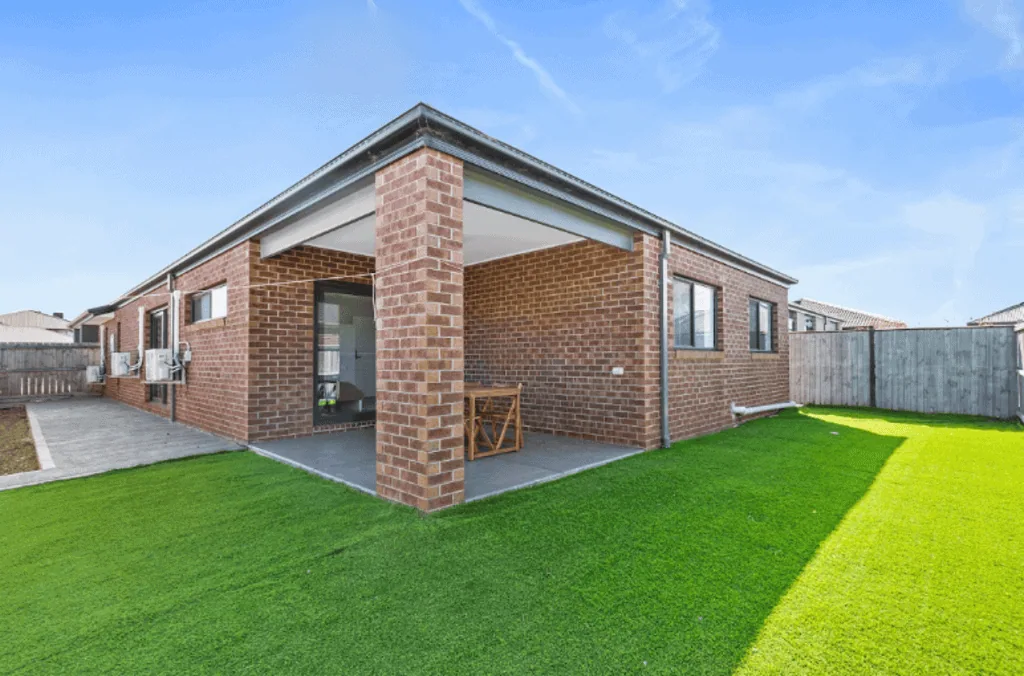
Once a house and land package is selected, the process typically involves:
- Securing the land contract.
- Signing the building contract for the chosen design.
- Working through pre-construction steps such as finance approval, plan finalisation and any required approvals.
- Construction, including site works, slab, frame, lock-up and internal fit-out.
- Practical completion, handover and any defect rectification.
The total timeframe from initial deposit to move-in can vary widely depending on land registration, builder timeframes and broader construction conditions, but it usually takes many months from start to finish.
For co-living, investors also need to plan for furniture, room fit-out, internet, security systems and other items like small appliances and shared utensils so the property is ready for multiple residents from day one. These costs sit on top of the base package price.
Money Matters: Are Co-Living House and Land Packages Right for You?
For investors, the appeal of house and land packages often includes clearer upfront pricing, the ability to claim depreciation on new buildings and fixtures under many tax systems, lower early maintenance due to new construction, and, in some jurisdictions, potential stamp duty savings where duty is mainly charged on the land component.
Layering co-living onto this structure changes the income and risk profile. Instead of one lease, you may have several room agreements, which can increase the total rent collected but also adds complexity around:
- Property management, including tenant selection, house rules and conflict resolution.
- Compliance with any local rules that apply to shared or rooming-style housing.
- Higher initial set-up costs for furnishings, appliances and shared amenities.
Before committing to co-living house and land packages, it’s sensible to:
- Model conservative rental scenarios and occupancy rates.
- Allow for higher operating costs than a standard single-tenancy home.
- Obtain professional advice on finance, tax, approvals and management.
From Blueprint to Profit: Should You Invest?
In summary, co-living house and land packages combine a structured new-build process with a modern shared-housing model that prioritises private rooms, strong amenities and community. When done well, this approach can align design, location and management with a specific tenant market and potentially deliver stronger income than a conventional single-tenancy property on a similar budget.
However, the additional complexity and regulatory considerations mean it will not suit every investor. The key is to treat it as a full blueprint-to-profit journey: understand the package, design for co-living standards, choose the right block, plan the build and set-up carefully, and run the numbers thoroughly before you commit.