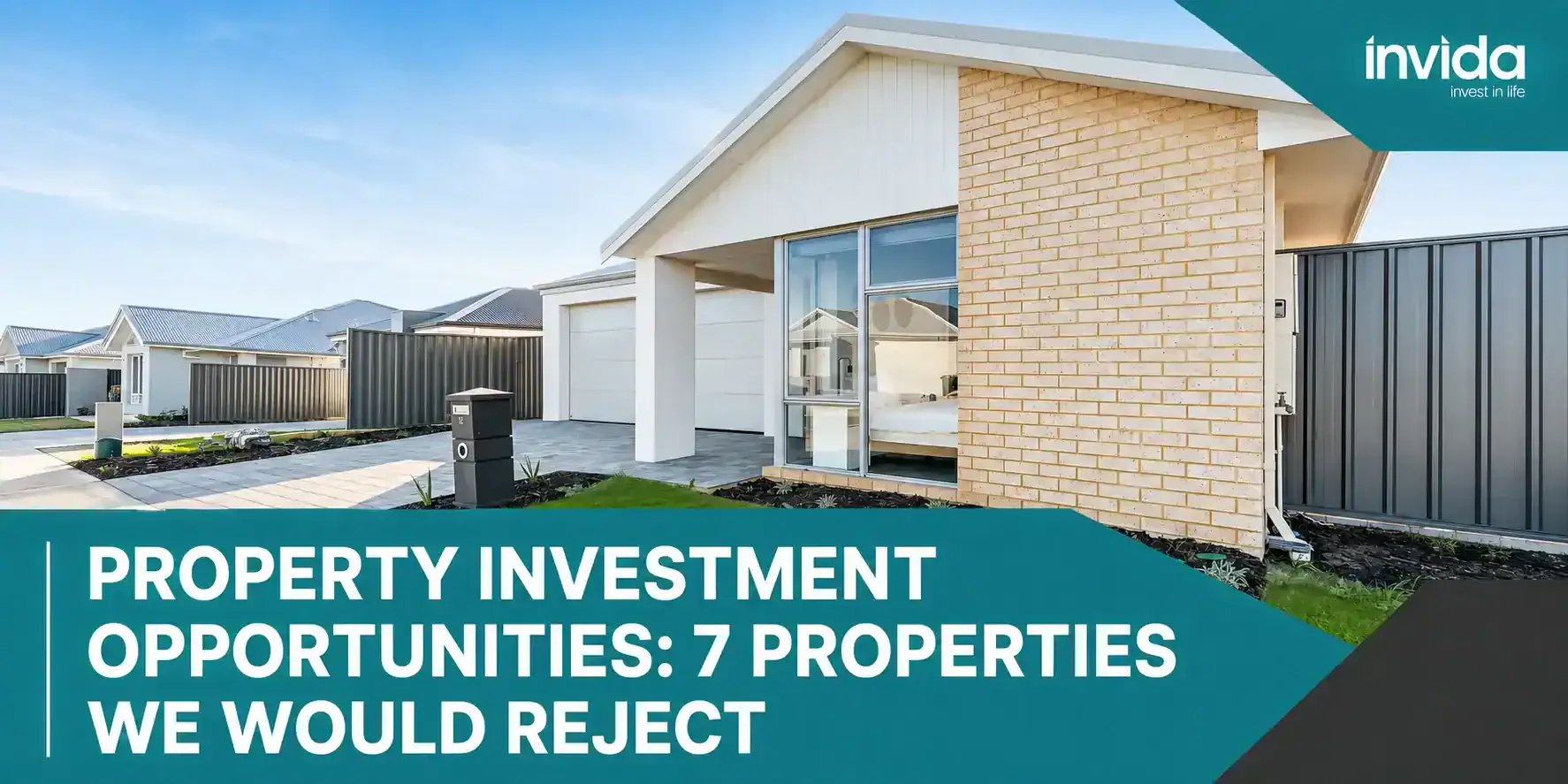

New Build vs Conversion
When you’re weighing up a new build co-living home versus converting an existing property, it really comes down to your goals, budget and timeline. The former lets you design a layout that’s perfectly suited to co-living from day one, while the latter can be a smart way to unlock extra income from a house you already own. Here are a few more factors that will help you make an informed decision.
Option 1: Converting an Existing Home to Co-Living
With this option, you start with a standard home and renovate it into a co-living property.
This might involve:
- Reworking the floorplan to add more bedrooms
- Adding extra bathrooms or ensuites
- Improving soundproofing and heating/cooling
- Updating kitchens, flooring and fixtures
Pros of Converting
- You may get started sooner if the house is already in a good location.
- It can be a good use of a property you already own.
- If the layout is flexible, you can create a very liveable co-living setup without starting from scratch.
Cons of Converting
- The existing layout can limit what you can do. Load-bearing walls, plumbing and stairs may be in the wrong place.
- Older homes can hide surprises: outdated wiring, leaks, structural issues or asbestos.
- It can be tempting to squeeze in too many rooms, which can hurt the feel of the home and the quality of the tenant experience.
Conversion can work well if you already have the right house in the right spot and you’re comfortable managing a renovation.
Option 2: New Build Co-Living Houses
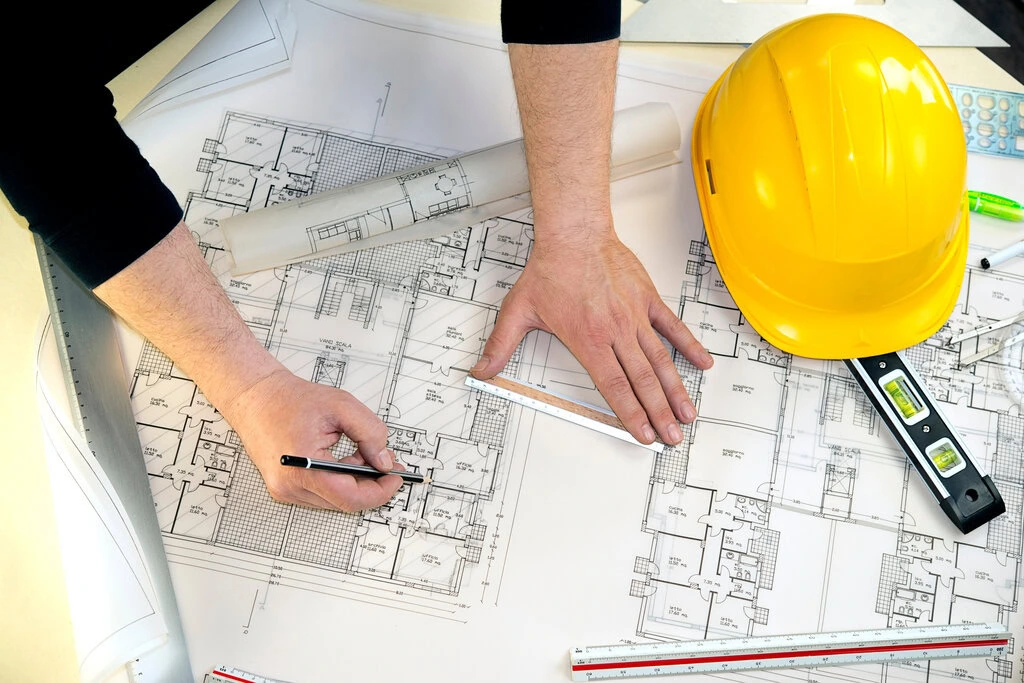
New build houses designed for co-living are planned from day one to suit this style of living. You’re not trying to “force” a standard layout to work; you’re creating the right layout from scratch.
A typical new build co-living home might include:
- 4–8 similar-sized bedrooms, each with an ensuite and kitchenette
- A generous, open-plan kitchen and living area
- Thoughtful storage, laundry and outdoor spaces
- Good natural light and airflow
- Modern heating, cooling and soundproofing
Benefits of New Builds for Co-Living Investors
There are several clear benefits of new builds in this space:
- Optimised layout – You can design hallways, room sizes and bathrooms to work perfectly for multiple tenants.
- Strong tenant appeal – Many renters love the look and feel of a fresh, modern home with hotel-style rooms.
- Lower early maintenance – Everything is brand new, so repairs are usually minimal in the first few years.
- Better energy efficiency – New build houses can be designed with good insulation, glazing and appliances, which can help keep running costs down..
Potential Drawbacks of New Builds
While newly built co-living houses have a lot of upside, there are a few key downsides to keep in mind:
- Higher upfront costs – You’re paying for land, construction and holding costs.
- Slower time to income – Design, approvals and building all delay your first rent payment.
- More moving parts – Builders, trades and approvals can impact budget and timeline.
- Not ideal for quick wins – If you need cash flow soon, a conversion may get you there faster.
How to Decide Which Path Is Right for You
Before making a choice, here are a few simple questions to ask yourself:
- Do I already own a suitable property? – If yes, exploring a conversion could make sense.
- Do I want a “showpiece” co-living property for the long term? – If yes, a new build may be worth the extra planning and cost.
- What is my risk comfort level? – Renovations can uncover surprises. New builds can face delays or cost increases. Think about which type of risk you’re more comfortable managing.
- Who will live there? – Young professionals, key workers and other long-term renters often respond very well to modern, well-designed spaces. This may nudge you towards a new build co-living design.
Bringing It All Together
There’s no single right answer to the question of new build or conversion for your co-living property. Both paths can work well.
- A conversion can be a smart way to breathe new life into an existing home and reach co-living rent levels more quickly.
- A new build lets you design the perfect layout, highlight the benefits of new structures and create a modern, attractive asset from day one.
If you’re unsure, it can help to look at a couple of real properties you have in mind and run two basic scenarios: renovation versus new build. Compare total costs, likely rents, timelines and how each option would feel for the people who live there.
From there, choosing the best path for your co-living property becomes much clearer. If you’d like expert guidance tailored to your situation, INVIDA can help you compare options and run the numbers. Contact INVIDA to clarify your next steps with a specialist by your side.