






Co-living —
How Property Conversion Works

Co-living - How it Works

INVIDA specialises in creating co-living conversions designed to maximise potential investment returns.

With a rising demand for affordable housing, co-living investment properties are becoming increasingly popular nationwide. But there’s a big difference between a traditional “share house” and a thoughtfully designed co-living conversion.

By partnering with experienced builders, INVIDA can create innovative co-living solutions that deliver a strategic alternative to traditional buy-and-hold investing. Existing homes can be transformed into higher-performing assets with long-term value.

Invida Co-Living icon 1 new

Strong Rental Yield

Enjoy increased rental returns as a result of multiple tenancies in one property.

Invida Co-Living icon 2 new

Improved Cash Flow

Multiple income streams help to regulate cash flow for investors.

Invida Co-Living icon 3 new

Turnkey solution

INVIDA offers an end-to-end solution, ensuring a seamless conversion process.

co living icon 4

Growing Demand

There are significant growth opportunities, thanks to a growing demand for affordable housing solutions.

Construction and urban development symbol

Adaptive Reuse

Turn an under-performing asset into a more usable and high-performing asset.

co living icon 5

Sustainable Alternative

INVIDA offers an end-to-end solution, ensuring a seamless conversion process.

What Is a Co-Living Conversion?

What does it mean to convert a home for co-living purposes? Essentially, it’s when you take an existing dwelling (perhaps an older, larger home) and you reconfigure the interior to create a mix of micro-apartments and communal living spaces.

Unlike a traditional “share house”, where multiple tenants make do in a property designed for a single family, a co-living property is custom-designed for communal living. It will typically include:

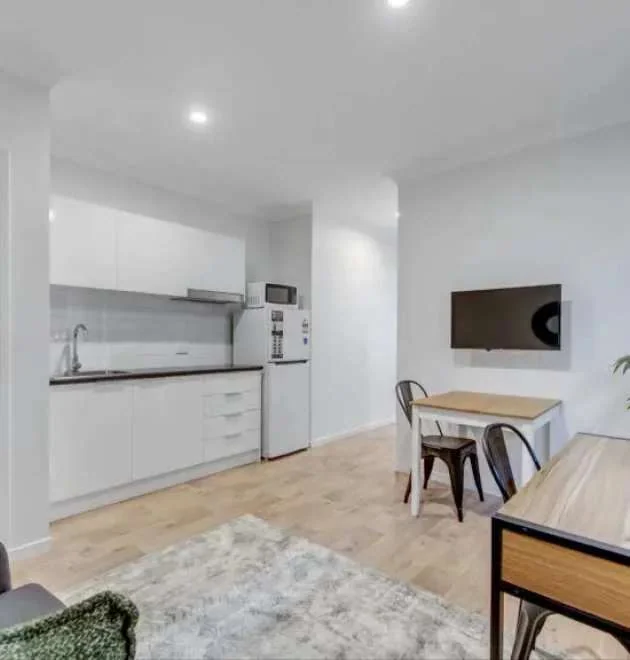
  • Private bedrooms with ensuites and kitchenettes
  • Communal kitchen/living areas
  • Custom features to support improved functionality and tenant independence

A thoughtful design approach creates a more enjoyable and functional living space, which can lead to improved tenant retention and decreased periods of vacancy.

At INVIDA, we’re committed to delivering a turnkey solution that is simple, effective and geared towards long-term profitability.

To find out more, book a strategy call today. 

Why Investors Are Choosing Co-Living Conversions

With upcoming changes to Capital Gains Tax (CGT) and negative gearing, the Australian property market is expected to undergo a shake-up. Investors who previously relied on a negative gearing strategy may now be looking for assets that supply positive cash flow. This is where a co-living conversion could be an attractive prospect.

Converted co-housing properties can deliver higher rental returns when compared to a traditional standalone investment property. In an area where 4-bedroom home may rent to a single household for $800 per week, a converted house with 4 self-contained spaces may be leased to 4 separate tenants, each paying $300 per week, for a combined total of $1,200. In this scenario, a landlord could potentially receive an additional $20,800 in rental income every year.

With multiple income streams coming from a single property, investors are less likely to experience total loss of income as a result of vacancies. If a tenant moves out, you’re still receiving rent from all the remaining tenants. This can be an ideal solution for investors seeking to manage their cash flow.

How to Convert a Home for Co-Living

What is the process to convert a home for co-living investment? While each project is unique, most conversions will go through the following 5-step process.

A suburban Australian street that could be a good location to convert a home for co-living

Step 1 – Assessing the Property

Not every property is suitable for conversion, so the first step should always be a thorough assessment of the property.

Factors to consider include the:

  • Local demand for co-living rooms
  • Size of the block
  • Existing layout
  • Potential parking options
  • Location
  • Zoning

For example, an older-style 4-bedroom home on a large block, located close to a university and public transport, may have strong conversion potential.

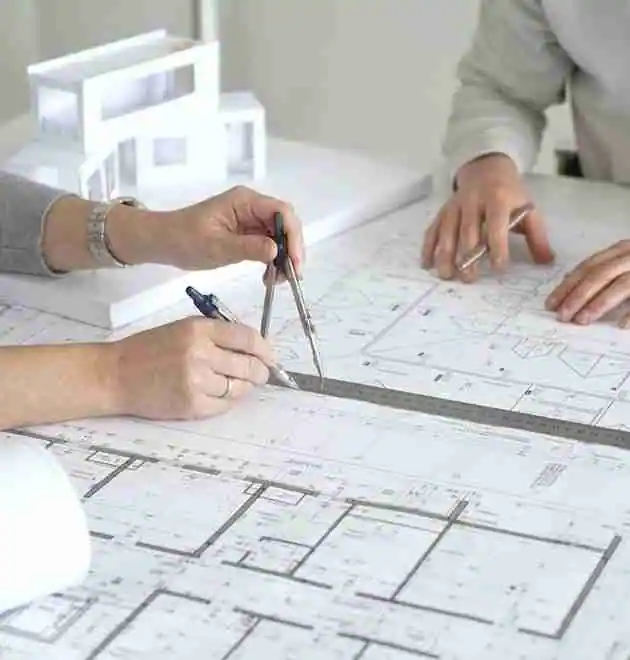
Step 2 – Designing the Co-Living Layout

After confirming the suitability of the project, the next step is to finalise the design. It’s crucial that a custom co-housing property finds the right balance between tenant privacy and convenient communal living.

This may involve:

  • Adding ensuite bathrooms and kitchenettes, where practical
  • Ensuring sufficient storage for multiple tenants
  • Creating functional communal living spaces

The goal is to design a communal property that can still feel like a home for individual tenants. This is crucial for promoting long-term appeal.

An investor works with an architect to design a plan for a co-living conversion
A council worker in hi vis assesses applications for co-living conversions

Step 3 – Council, Compliance and Approvals

Once the design is finalised, the next step is to ensure compliance with all council regulations and building approvals.

Depending on the property and location, this may include:

  • Obtaining a building permit
  • Securing a town planning permit (if required)
  • Compliance with fire safety considerations
  • Meeting minimum room sizing standards
  • Ensuring parking and occupancy regulations are adhered to

Regulations for co-housing properties vary between councils and states, so it’s important to seek professional guidance to ensure total compliance. Doing so from the very beginning of the project can help to avoid costly delays or long-term issues with non-compliance.

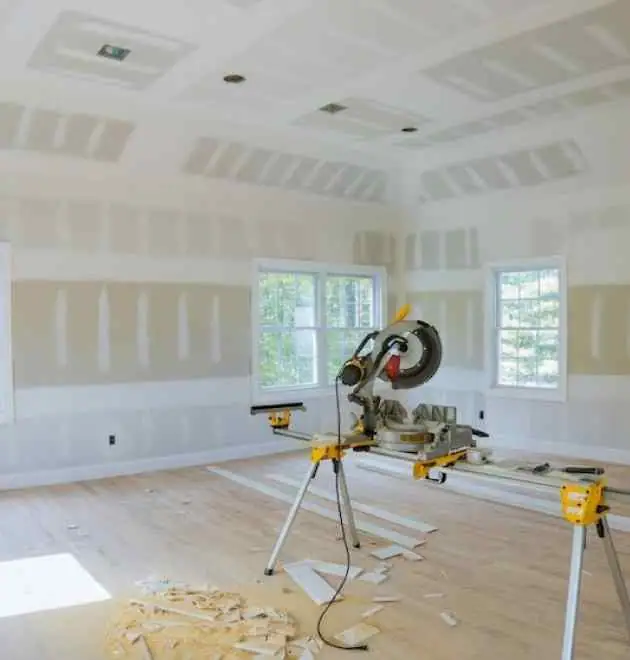
Step 4 – Construction and Renovation

When all approvals have been granted, the construction phase of the renovation can get underway. This may include a range of works, such as:

  • Reconfiguring internal layouts
  • Adding bedrooms and ensuite bathrooms
  • Upgrading or expanding kitchen/living areas
  • Improving storage spaces

The goal is to enhance both the long-term value of the property and the overall tenant living experience. Choosing quality materials and experienced tradespeople can help to ensure the renovation is completed successfully and to a suitably high standard.

A large house is renovated to create a co-living investment property
A property manager shows prospective tenants through a newly completed co-living conversion property

Step 5 – Tenant Placement and Ongoing Management

The final phase of the conversion involves finding the right tenants and establishing long-term property management. This may involve:

  • Furnishing the property
  • Registering the dwelling as a rooming house with the local authorities
  • Marketing rooms individually
  • Managing multiple tenancies and lease structures
  • Handling tenant concerns or enquiries
  • Coordinating ongoing maintenance

Co-living properties have unique property management needs. To ensure your investment is adequately cared for, it’s worth investing in a property management team that has experience with co-housing.

To get started on this process, book a strategy call today.

What Makes a Successful Co-Living Conversion?

Successful co-living conversions involve more than just a well-executed renovation. To ensure maximum profitability and long-term value, it’s important for investors to consider the location and local demand drivers. If there is a need for affordable and flexible housing in the local area, then this could be a strategic investment solution.

The completed property also needs to be carefully designed to ensure the investment is successful. Smart layouts, sufficient privacy and durable finishes can all contribute towards a positive tenant experience that can minimise vacancies and reduce tenant turnover.

For example, two investors may purchase similar four-bedroom homes in comparable suburbs but achieve very different outcomes.

Investor A

co living icon 1

Investor A attempts to maximise their potential rental income by squeezing extra bedrooms into the property with little consideration for privacy, storage, parking or shared living spaces.

The result is a co-housing arrangement with minimal privacy and a high tenant turnover. The property feels overcrowded rather than functional, and this also leads to ongoing maintenance issues.

Ultimately, investor A has higher maintenance costs and experiences more frequent vacancies.


Investor B

co living icon 2

Investor B chooses a professionally designed co-living conversion that focuses on tenant experience as well as yield.

Bedrooms are thoughtfully positioned, communal areas remain comfortable and practical, and features such as private ensuites, durable finishes and smart storage create a more appealing living environment.

This professionally planned co-living home is more likely to attract long-term tenants, reduce vacancy risk and support more sustainable cash flow over time.


An investor researches co-living conversions

Common Challenges With Co-Living Conversions

A co-living conversion can present unique challenges for investors due to the added complexity. These can include:

  • Differing council regulations
  • Potential budget blowouts
  • Poor design choices
  • Underestimating compliance standards
  • More involved property management

The key to successfully avoiding these issues is to obtain skilled advice from an experienced professional.

An investor researches co-living conversions
An INVIDA expert meets with an investor to discuss co-living properties

How INVIDA Helps Investors Through the Co-Living Conversion Process

With an established reputation and an end-to-end business model, INVIDA is uniquely positioned to help investors convert an existing asset into a high-yield co-living rental property.

We’re committed to maximising the potential of a property, so our designs and recommendations are tailored to suit the needs of each project. From initial consultation through to ongoing property management, our goal is to provide a hassle-free experience for every client.

A newly renovated bedroom with kitchenette in a co-living property

Convert a Home for Co-Living
with INVIDA

Co-living conversions can help investors unlock stronger cash flow from existing investment properties. But ultimate success depends on planning, compliance and execution. Fortunately, this isn’t a project you have to handle on your own. With professional support from INVIDA, you can achieve a co-living conversion that is tailored to your investment strategy.

Whether you’re exploring your first co-living investment or looking to convert an existing property, the team at INVIDA can help guide you through the process from start to finish.

Contact the team at INVIDA today and take the first steps towards your next investment.

A newly renovated bedroom with kitchenette in a co-living property

FAQs

A standard renovation often focuses on updating specific areas of the home (such as the bathroom or kitchen) or on cosmetic upgrades. A co-living conversion typically involves a re-design of the internal layout to create a mix of private rooms with attached ensuites and spacious living areas set up for multi-tenant use.

Not all properties will be suitable for conversion. Before committing to this type of project, it’s important to first understand council regulations, rules around fire safety and building permit requirements. Seeking professional guidance is the easiest way to determine whether or not your property may be suitable for conversion.

Council approval will often be required for co-living projects. Compliance standards will vary depending on the location of the property, zoning status, proposed number of occupants and the extent of the works involved.

Co-living investments can be profitable assets for Australian investors, due to their potential for increased rental yield and improved cash flow (compared to a traditional standalone rental property). However, this can depend on location, demand, property management and project costs. Investors should always consider whether a co-living property will suit their personal investment strategy.

Co-living properties are ideal for tenants seeking flexibility, affordability and a sense of community. This makes them appealing to a wide range of tenants, including young professionals, FIFO workers, those relocating interstate or from overseas, and retirees.

Want more information? Talk to an INVIDA co-living advisor 1-on-1

BOOK YOUR STRATEGY CALL
Scroll to Top

FREE LIVE MASTERCLASS

VENUE INFO (pending)
SATURDAY, MAR 29th 2025
10AM – 2PM AEST

Almost there! Please complete the fields below and click the button to instantly reserve your FREE TICKET. Seats are limited and events do sell out – so get in quick!

INVIDA Property Management

Name(Required)
Is your property currently under a tenancy agreement with another property manager?
Max. file size: 50 MB.